
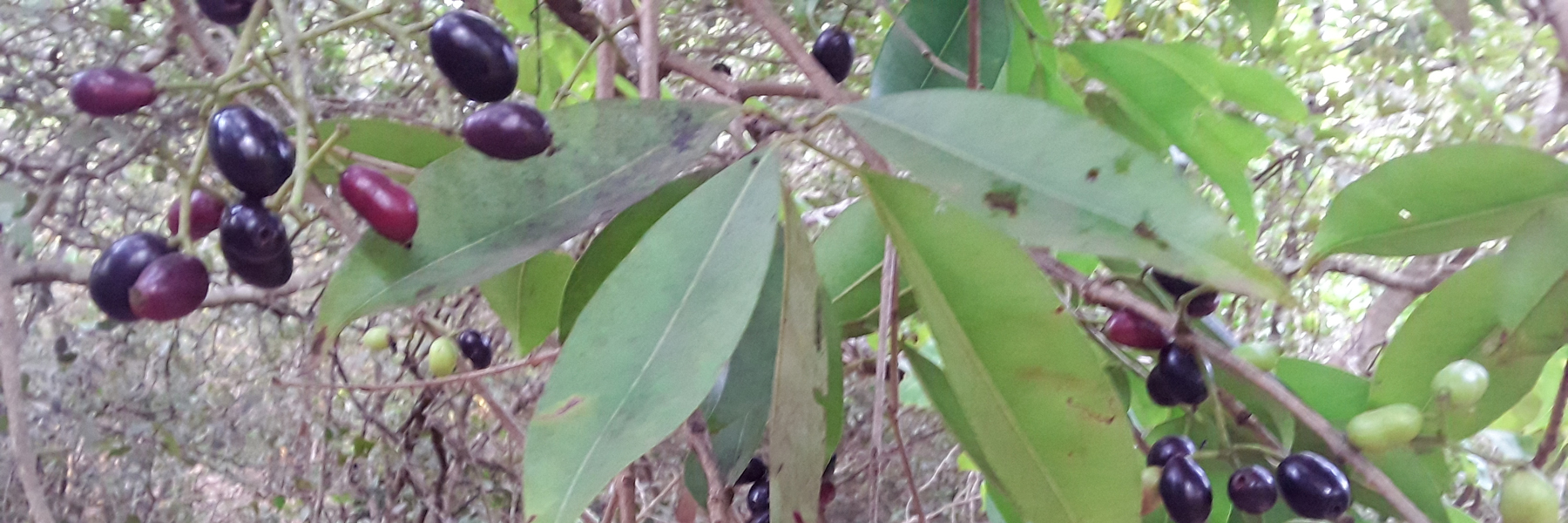
Our surrounding woodland, Western Ghats, with its dense forests and ecological diversity, is a treasure trove of wild berries and fruits that are not only edible but packed with nutritional and medicinal benefits. These edible wild berries and fruits, often overlooked, serve as a source of sustenance and health for native communities.
Edible wild berries and fruit are some of the most rewarding things to find and are some of the tastiest choices that we forget to choose! These berries are nearly forgotten in between hills, while modern attention is shifted from these humble berries to imported super fruits and food.
Our landscape is home to a bountiful array of wild berries that have been consumed for centuries, not just for their delectable taste, but also for their nourishing properties and cultural significance. Who knows, maybe these berries can help in curing some ailments or illness! Even if they don’t cure any high profile ailments, these berries are ambrosial with rich nutritional value and offer a unique flavor profile!
These wild berries and fruits are foraged and eaten locally by communities, and wildlife. Exploring the indigenous, seasonal treasures of our region offers a refreshing, nostalgic connection to nature. So, let us embark on a journey through some of the most remarkable edible wild berries and fruits of our landscape.
Nerale hannu / Jamun (Syzygium cumini)
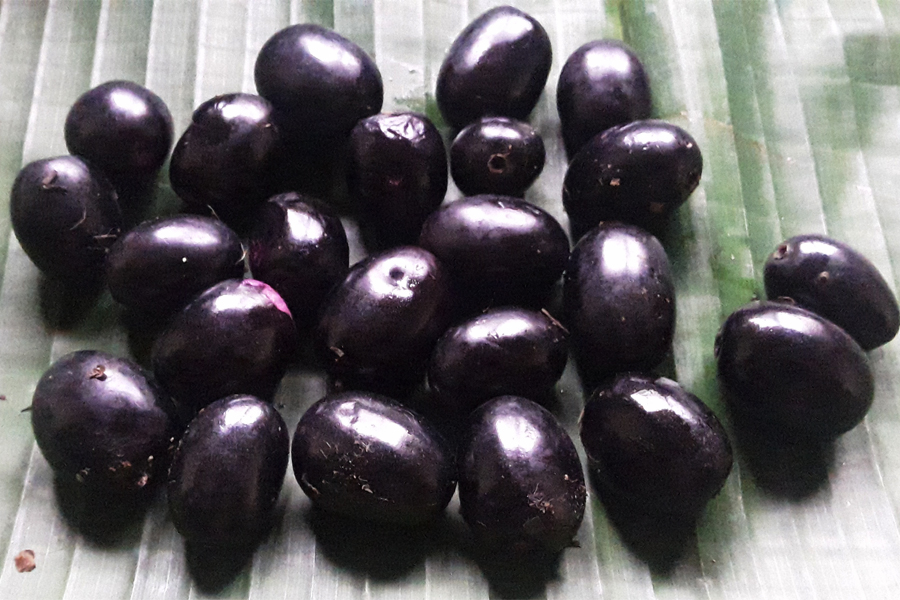
Nerale meaning purple and hannu means fruit. This is also known as Indian blackberry or Java plum. This deep purple, seasonal summer fruit is highly valued for its distinct sweet, tangy, and astringent flavor, which famously paints our tongue purple.
This is packed with antioxidants, rich in fiber, vitamin c, and iron. Fresh fruits can also be enjoyed as a refreshing summer drink. Aside from the fresh fruit, the seeds, leaves, and bark of this evergreen tropical tree are heavily utilized in Ayurveda.
Mulle hannu / Zunna berry (Ziziphus rugosa)
These tiny wild berries are filled with natural goodness, a true gift from nature. These berries are known for their natural sweetness and melt-in-mouth experience. This plant is a wild, thorny straggling shrub natively found in the Western Ghats. As these plants are famous for their prickly, thorny branches, berries are named mulle or mullu (thorn) hannu (fruit).
These summer seasonal forest berries are filled with nutrients and also its bark, wood, and roots are used in some traditional medicine.
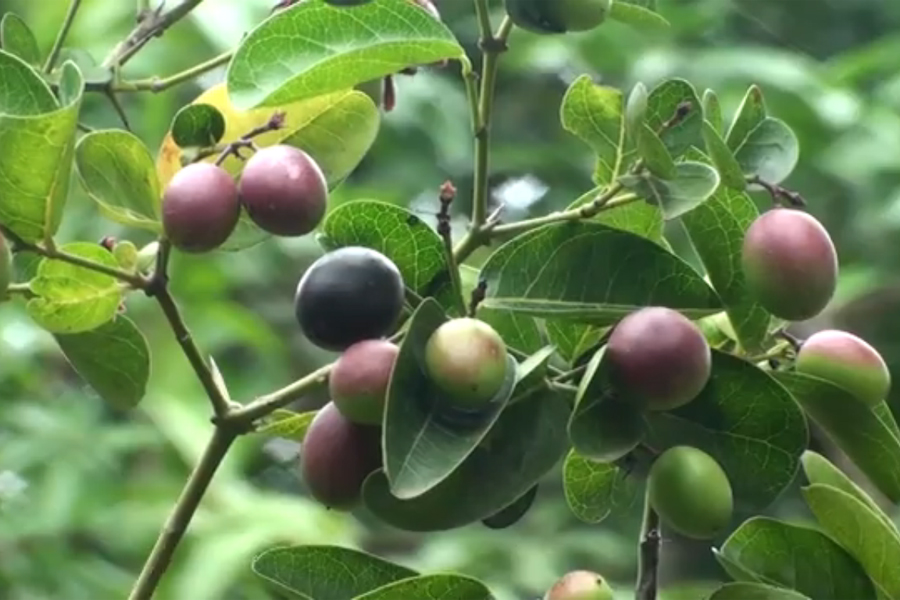
Kauli hannu / Karonda / Karavanda (Carissa carandas)
Kauli hannu, also called Black Current, is a traditional summer produce with a sweet-sour taste. These berries / fruits are small, oval to round shape, green to reddish purple when unripe, and black when ripe with tiny seeds within. The unripe berries are also used to make pickles. Ripe berries are consumed raw or used in beverages.
This is an evergreen deciduous shrub that is believed to have originated in the Himalayas, and extremely found in Western Ghats. The plant is a hardy, drought-resistant shrub that typically grows up to 2-4 meters in height with thorny branches.
The berry is rich in vitamin C, B vitamin, iron, and antioxidants. Traditionally, Kauli hannu has been used in Ayurvedic medicine for its impressive nutritional value and health benefits.
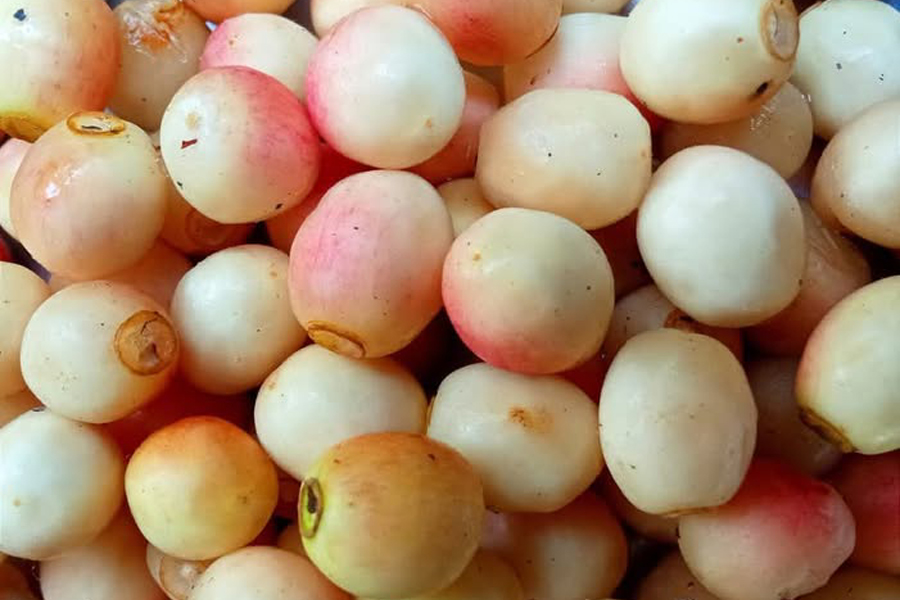
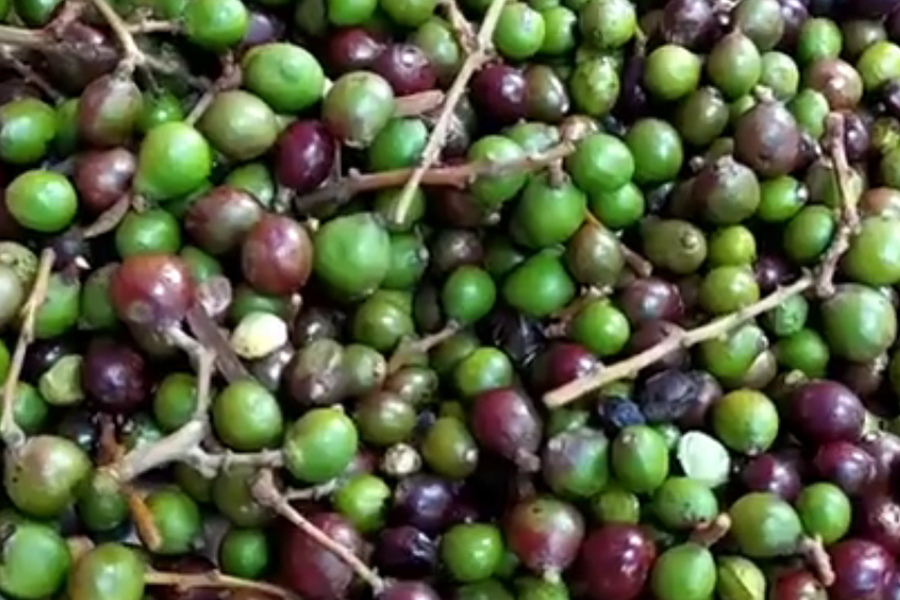
Nurklu or Nurukalu hannu (Buchanania cochinchinensis / Buchanania lanzan)
This is a summer wild edible fruit / berry of a deciduous tree. The fruits are very small, subglobose drupe that are green when immature and turns black or reddish-purple when ripe. Fruits have hard shell / stone inside that contains a single seed.
While the sweet, purple-black flesh of the fruit is eaten raw, widely known as Chironji or Charoli, is also highly nutritious. These seeds are very tasty and consumed as-is or roasted, and also used in traditional cooking. These seeds are also used in Ayurveda medicine.
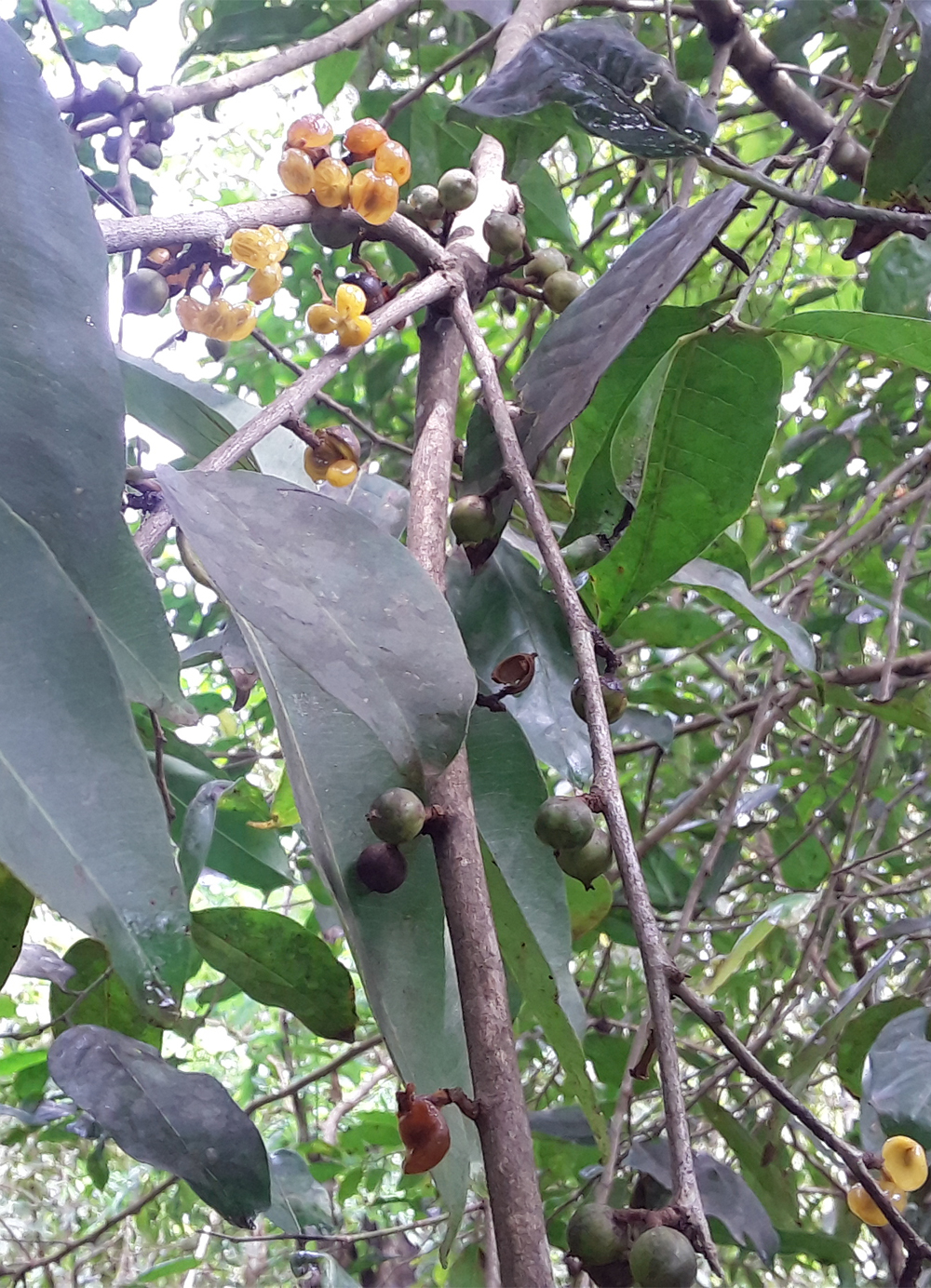
Salle hannu (Aporosa lindleyana)
The fruits grow in small clusters and are round / oval shaped. Inside they contain a translucent, less sweet and more sour orange-yellow flesh wrapping around a hard seed. The ripe fruits capsule bursts open to reveal seeds covered in an edible brightly coloured aril.
Typically the season runs from late summer to early monsoon. While the fruits are consumed afresh, the roots and leaves of the tree are used in Ayurveda and traditional folk medicine.
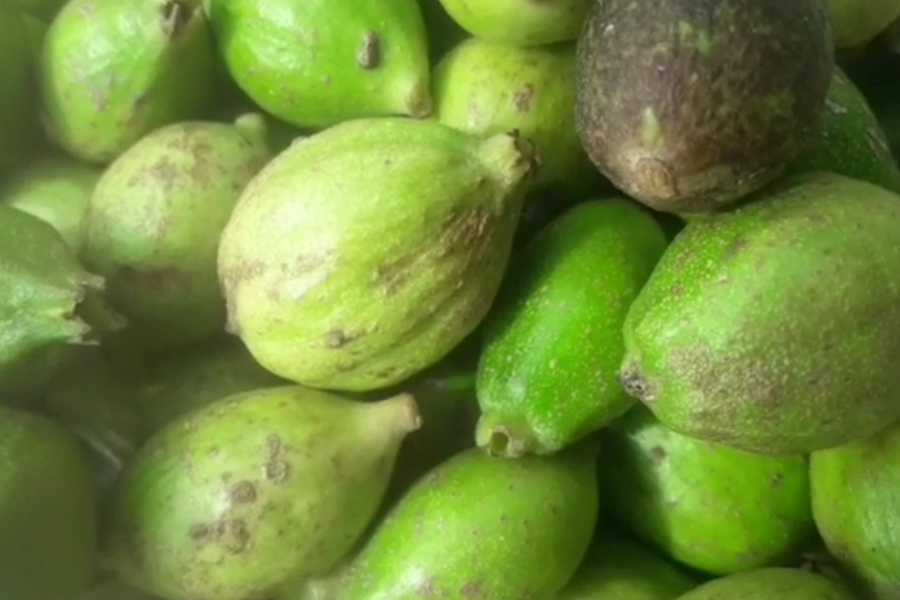
Bikke hannu (Gardenia gummifera)
These are oblong shaped monsoon berries that turn yellowish green when ripe. It features a hard outer cover and a sweet, rich, and dense pulp inside that tastes yummy. The outer shell is cut open with teeth and the pulp is scooped out to eat. These wild berries are native to forests of Western Ghats. Traditionally used in Ayurveda medicine.
Daasaal hannu
These wild berries are bright red in colour, sweet in taste, small and round shaped. These edible berries grow on wild small plant / shrub naturally in the forest during late summer and monsoon. These foraged berries are picked and consumed fresh.
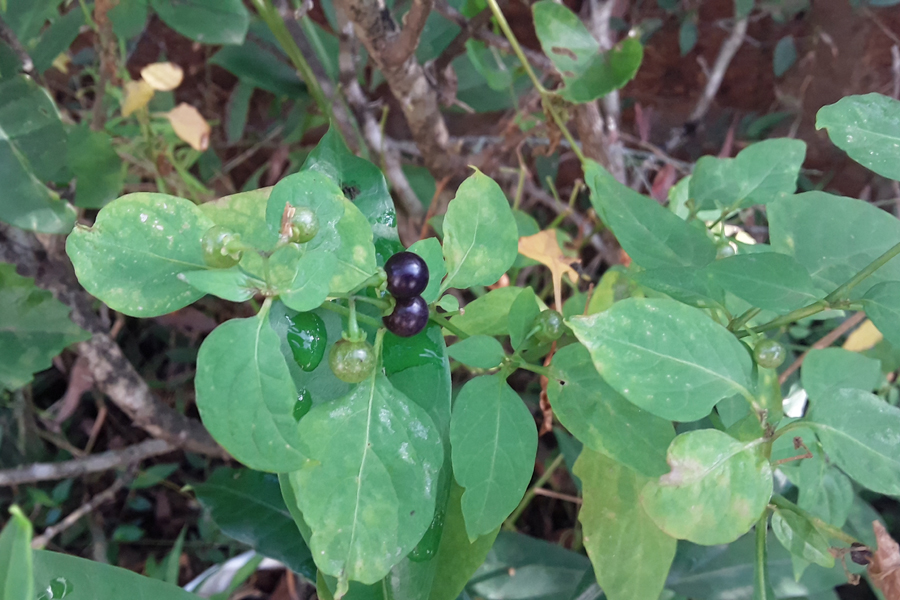
Kaake hannu / Black nightshade (Solanum nigrum)
Kaake or Kaage means crow. As these berries are black, the name Kake hannu. These small berries start green and turn a dark purple or black when they are fully ripe. Ripe berries are soft, sweet, and sour. They grow in small clusters.
The leaves are also nutritious and used in cooking in some region. Both berries and leaves have nutrients and medicinal properties and used in Ayurveda medicine. It is also rich in vitamins and minerals.
Bettada Nellikaayi / Amla / Indian Gooseberry (Phyllanthus emblica)
Nellikaayi or amla is a highly prized winter super fruit. The fruit is highly intense – offering a tart, astringent, sour, and slightly bitter with a touch of natural sweetness.
It is traditionally used in making raw juice, powder, pickles, chyawanprash, candies, etc. This wild berry is a nutritional powerhouse and celebrated in Ayurveda for its exceptional vitamin C content and antioxidant properties.
Conclusion
I am no health professional, so I cannot talk in depth and exact medicinal properties and health benefits of each wild berry or fruit. But I can ensure one thing about these wild delicacies, that these are chemical free which is the most important and basic need of our health. No one feeds fertilizers, no one sprays pesticides, no preservatives, and no colours. These humble yet extraordinary berries and fruits will remain natural and chemical free as far as they remain wild.
These wild berries and fruits, with their diverse flavours, seasons, and benefits, not only enrich local diets but also offer untapped potential to revolutionize how we approach nutrition and wellness. Our wild berries and fruits are more than just edible - they are a profound testament to nature’s generosity and the symbiotic relationship between us and our environment. Exploring and preserving this biodiversity is essential, not only for the sustenance of native communities but also for our food security and sustainability. Let us celebrate and cherish these wild treasures, securing their future for generations to come.