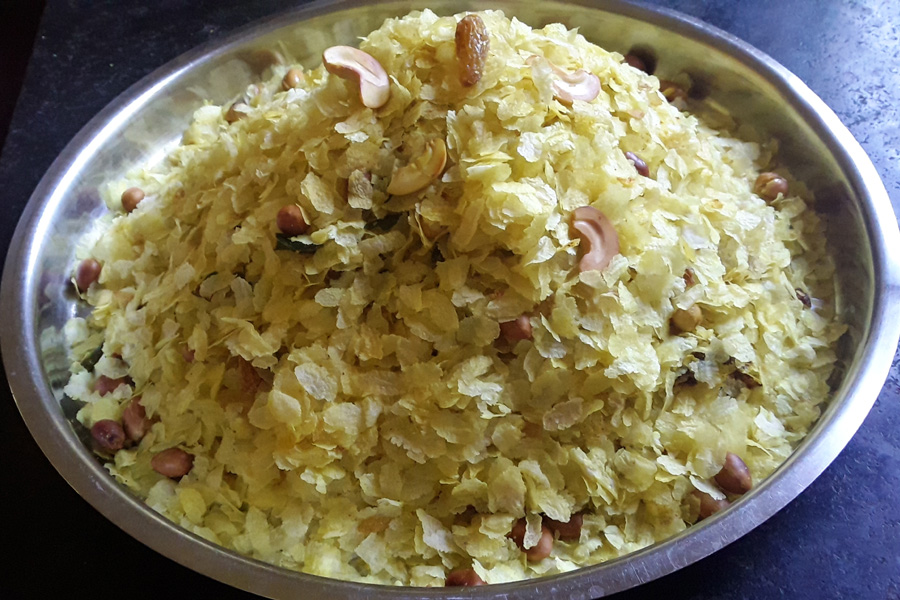
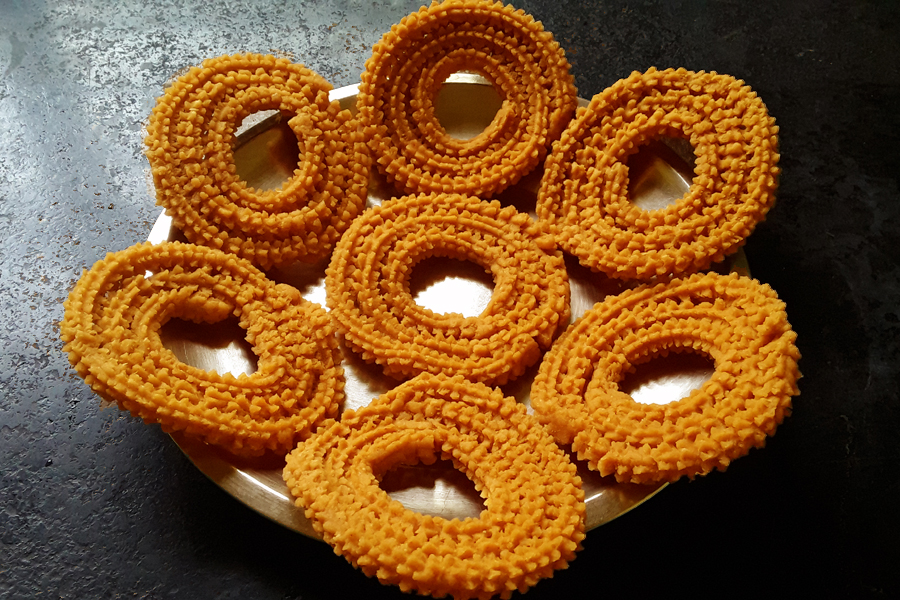
Chakli | Chakkali | Chakkuli

By Usha Hegde, Puttanamane
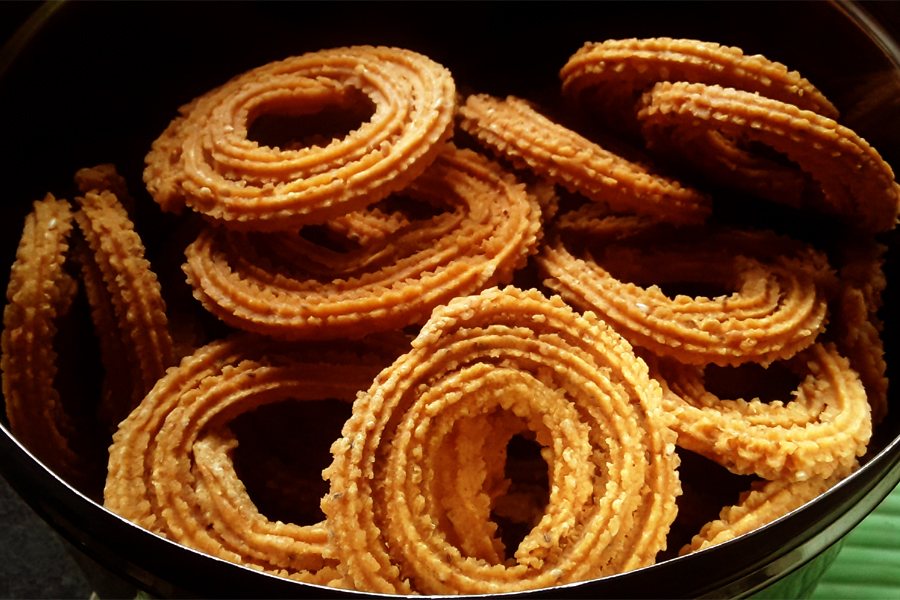
Chakli are crispy spirals of fried dough made during Chauti (Ganesha Chaturthi) festival. There are many different versions and methods for making chakli, but in this method chakli absorbs almost 50% less oil when compared to chakli made with dry rice flour. Chakli are made from chakli rice, a rice variety meant for making chakli.
Chakli are either shaped with hand or a tool called chakli maker is used. In this recipe chakli maker is used.
Note: Images are for larger quantity. Please use measure as mentioned in the ingredients section.

Prep time
2 hrs
Cook time
30 mins
Cool off time
0
Total time
2 hrs 30 mins

Course
Snacks
Diet
Vegan, Vegetarian
Difficulty level
Difficult
Servings
25 chakli
Ingredients
-
250 grams chakli rice
- 2 tablespoons sesame seeds (Ellu / til)
- 1 tablespoon carom seeds (Om / ajwain)
- 1 teaspoon cumin seeds (Jeerige / jeera)
- ¼ teaspoon asafoetida (Ingu / hing)
- 5 dry red chillies or as required
- Salt as required
- Coconut oil for frying as required
- Water as required
Cookware / Utensils
-
Wooden platform or plate
- Spoon
- Bowl(s)
- Pan(s)
- Deep frying spoon or slotted spoon or spider spatula
- Mixer or Grinder
- Chakli maker
- Sieve with big holes or Strainer colander
Instructions
Instructions
Making chakli dough
- Take 250 g chakli rice in a thick pan and dry fry / roast on medium heat. No need to brown it.
- Keep stirring and switch off once it turns hot and aromatic. Let it cool.
- Rinse the roasted rice until clean and soak in water for about an hour.
- Add soaked rice, 1 tablespoon sesame seeds, ½ tablespoon carom seeds, 1 teaspoon cumin seeds, ¼ teaspoon asafoetida, 5 dry red chillies or as required, and salt as required to a grinder or mixer jar.
- Add water as needed and grind to a smooth batter.
- Take the ground batter in a thick vessel or pan.
- Cook the batter on a low to medium heat while stirring continuously.
- Switch off the heat when the batter turns to firm dough. Dough should be firm but not hard, dry, crumbly, or sticky. Let it become warm.
- Now place the dough on a wooden platform or plate or in a mixing bowl.
- Add remaining 1 tablespoon sesame seeds, and ½ tablespoon carom seeds to the dough.
- Mix and knead the dough well. Cover and keep the dough from drying out.
Making chakli
- Take a portion of the dough, knead well again. Make a ball with your palms.
- Place this dough ball inside a chakli maker and place the lid.
- Press the chakli maker to release strands on a wooden platform, banana leaf, plate, or butter paper.
- You can move the chakli maker in rounds to get a spiral shape or just the strands of dough that you can shape into spirals.
- Decide on your chakli size and break the strand and lightly press it to the last circle of the spiral.
- Chakli are made in batches. Shape 6 to 8 spirals for a batch or according to your frying pan size and quantity of oil used.
- Heat enough oil for deep frying in a pan. Lift the dough spirals carefully and slid into the hot oil.
- Fry them until crisp and golden.
- Remove and place fried chakli on colander or paper towels to remove extra oil.
- Make and fry chakli with the remaining dough. Offer the dish to Ganesha.
- Serve and eat on Ganesha Chaturthi festival.
- Store the rest in a clean and dry container with a tight lid.
Step by step guide
How to make Chakli
Making chakli dough
1. Take 250 g chakli rice in a thick pan and dry fry / roast on medium heat. No need to brown it. Keep stirring and switch off once it turns hot and aromatic. Let it cool.
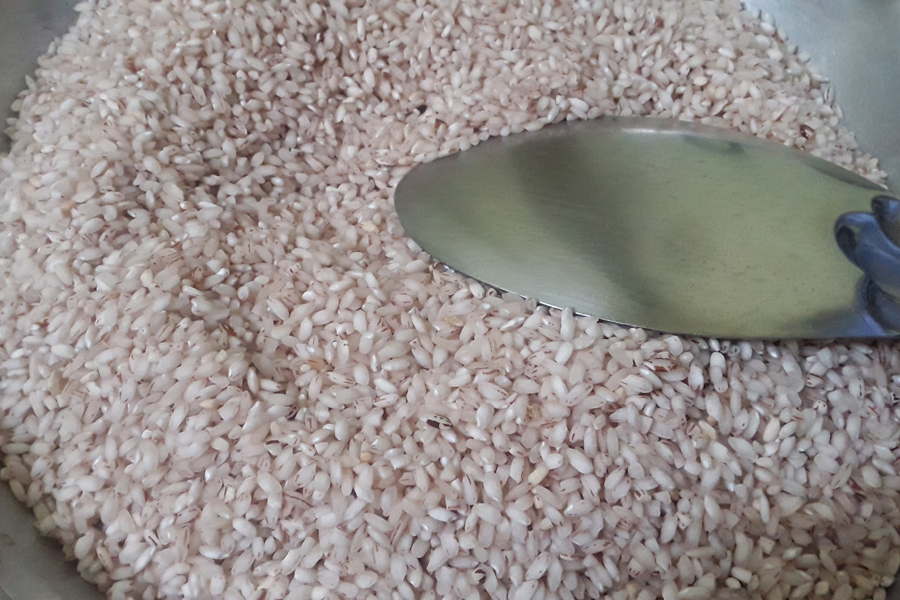
2. Rinse the roasted rice until clean and soak in water for about an hour.

3. Add soaked rice, 1 tablespoon sesame seeds, ½ tablespoon carom seeds, 1 teaspoon cumin seeds, ¼ teaspoon asafoetida, 5 dry red chillies or as required, and salt as required to a grinder or mixer jar. Add water as needed and grind to a smooth batter.
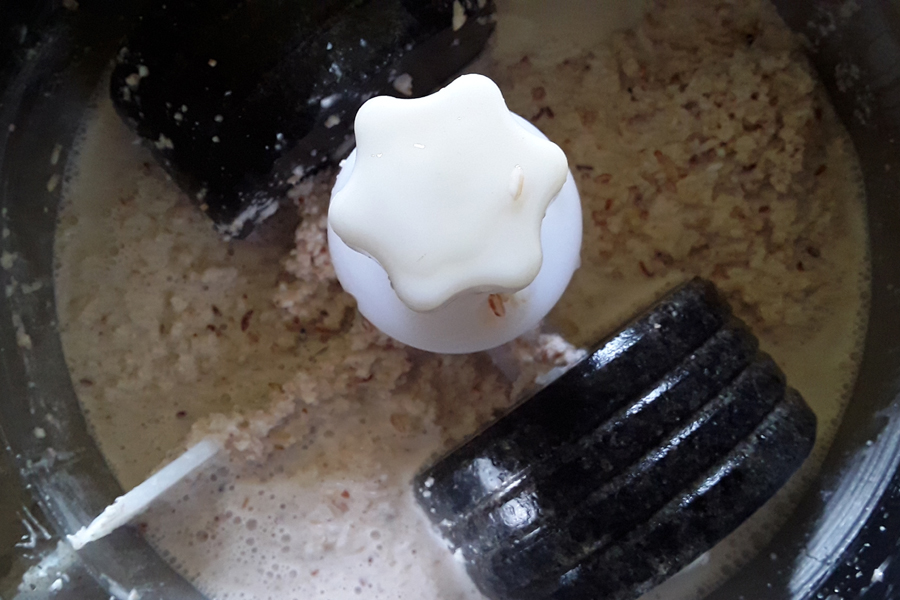
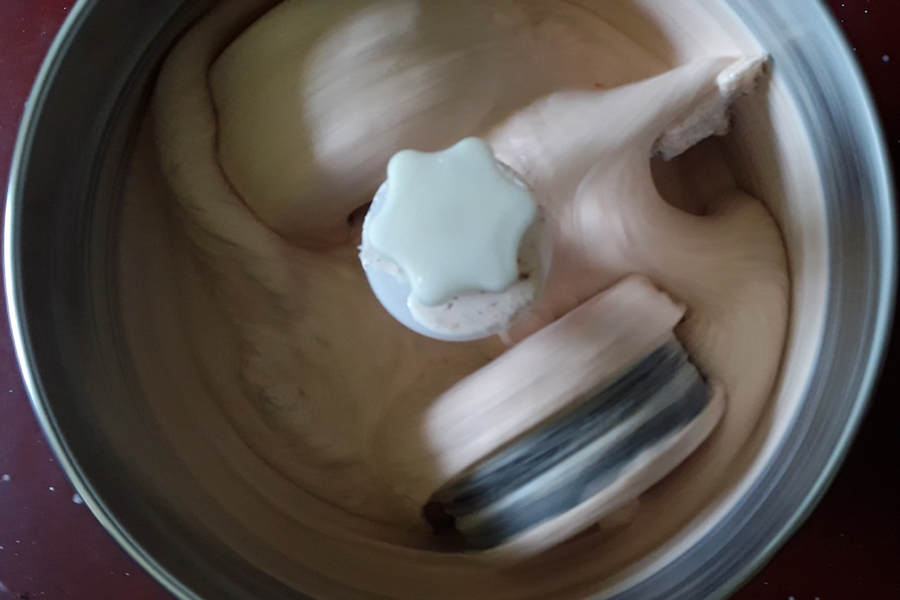
4. Take the ground batter in a thick vessel or pan.

5. Cook the batter on a low to medium heat while stirring continuously.

6. Switch off the heat when the batter turns to firm dough. Dough should be firm but not hard, dry, crumbly, or sticky. Let it become warm.

7. Now place the dough on a wooden platform or plate or in a mixing bowl. Add remaining 1 tablespoon sesame seeds, and ½ tablespoon carom seeds to the dough. Mix and knead the dough well. Cover and keep the dough from drying out.

Making chakli
8. Take a portion of the dough, knead well again. Make a ball with your palms.

9. Place this dough ball inside a chakli maker and place the lid.

10. Press the chakli maker to release strands on a wooden platform, banana leaf, plate, or butter paper. You can move the chakli maker in rounds to get a spiral shape or just the strands of dough that you can shape into spirals. Decide on your chakli size and break the strand and lightly press it to the last circle of the spiral.


11. Chakli are made in batches. Shape 6 to 8 spirals for a batch or according to your frying pan size and quantity of oil used.

12. Heat enough oil for deep frying in a pan. Lift the dough spirals carefully and slid into the hot oil.
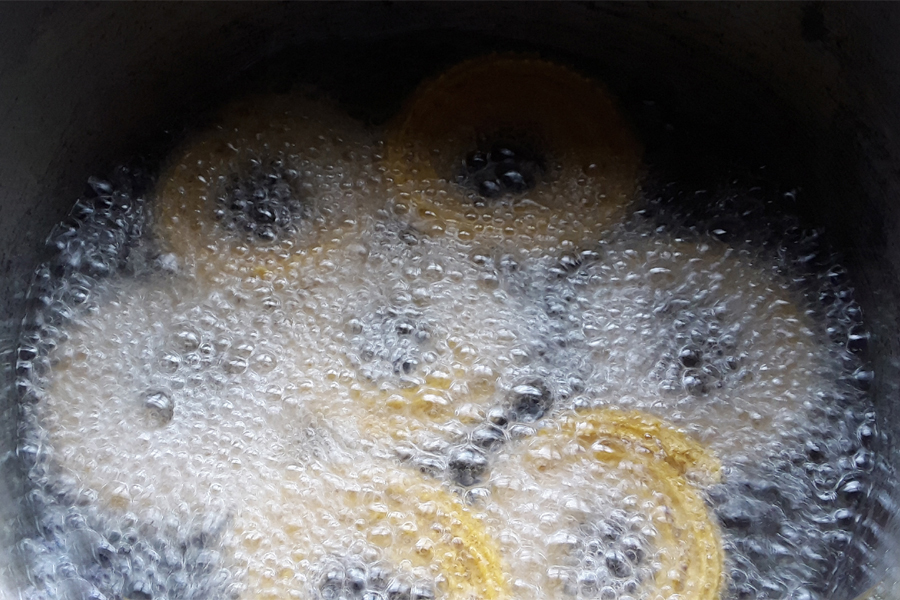
13. Fry them until crisp and golden.

14. Remove and place fried chakli on colander or paper towels to remove extra oil.

15. Make and fry chakli with the remaining dough. Offer the dish to Ganesha. Serve and eat on Ganesha Chaturthi festival. Store the rest in a clean and dry container with a tight lid.
Notes
-
Chakli maker
Chakli maker is a tool to shape chakli. The chakli dough is filled inside the chakli maker and on pressing chakli maker releases extruded strands of dough that are then shaped into spirals.
There are varieties of chakli maker available in market, and choose wisely that you are comfortable using.
-
Dough
Chakli dough should be of the right consistency. It should be pliable and firm but not hard, crumbly, dry, or sticky.
If the dough is sticky with thin consistency or excess moisture, then heat the dough again and cook till the dough is firm while stirring continuously.
If the dough is dry, then sprinkle a few teaspoons of water, mix well, and knead.
Kneading is the key to get the pliable and firm dough. Knead the complete dough when warm. Then knead every portion of the dough well before placing that dough portion in chakli maker.
Normally, there would be one family member meant for this kneading purpose when making chakli in large quantity for Ganesh Chaturthi!
-
Shaping the dough
Do not shape all the dough at once especially when making chakli in large quantity as dough will get dried out soon. Shae and fry them in batches.
If the chakli breaks while shaping them, then the dough is dry and / or is not kneaded well. If dry sprinkle some water and knead well. If the dough has enough moisture but still breaks, then knead the dough well.
If chakli maker makes sound while releasing dough strands, and / or you are unable to form a proper spiral round shape, then the dough is too moist. Heat the dough again until the dough consistency is firm but still pliable. (Adding dry rice flour may not work for this recipe.)
-
Oil
Coconut oil is used for frying for its freshness, flavor, and longer shelf life. If you cannot source fresh coconut oil, then you can use sunflower or groundnut oil. When frying, oil is added in steps as needed as fried left-over oil is not used anymore for any cooking purpose. It can be used in non-cooking, like oiling machines.
-
Frying
Fry chakli on medium heat. The chakli absorbs a lot of oil on a low heat, and on a high heat, chakli are not cooked properly and evenly. Chakli will become soft soon if not fried properly.
Frying time varies with the quantity of oil used, the quantity of chakli and their size that are added to oil, kadai or pan thickness & make, and heat applied. -
Storage
Store chakli in a clean, dry, airtight container and keep in a cool, dry place at room temperature. Use clean and dry hand to take them out.
-
Shelf life
Chakli stay fresh and crisp for about a month, and sometimes even more than that. However, chakli shelf life depends on type and quality of the ingredients used to make them, frying, storage, room temperature, and weather condition.