Halasina beejada Holige | Jackfruit seeds Holige

By Leena Hegde, Puttanamane
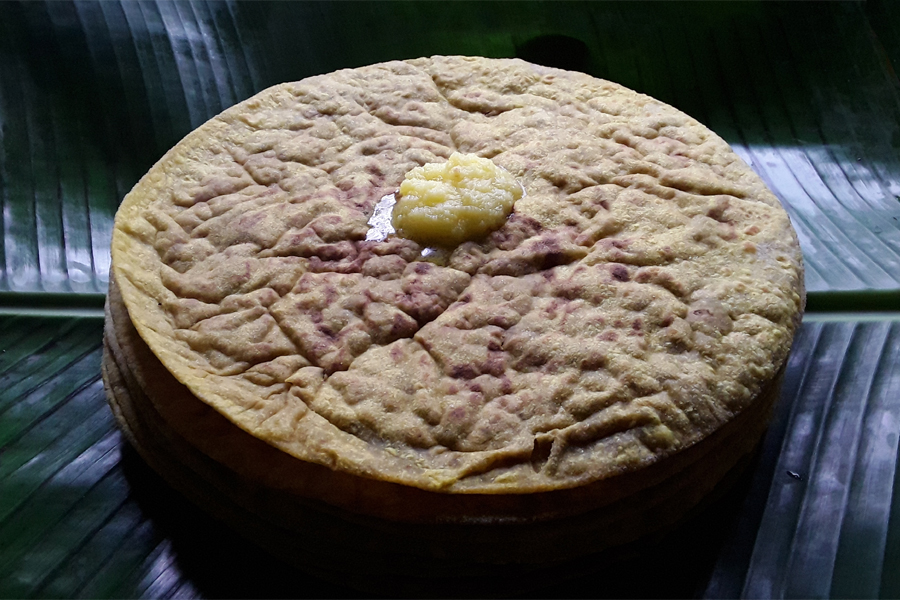
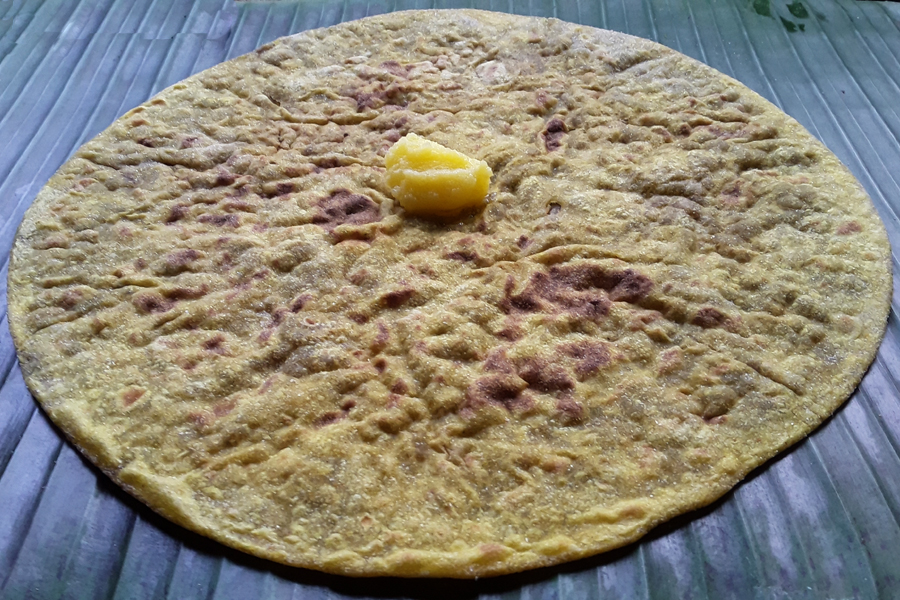
Jackfruit seeds holige, another inventive recipe of jackfruit seeds. This versatile jackfruit is incredible and its recipes are irresistible! From tender jackfruit to ripe to seeds we can make many delicious sweet, tangy, and spicy dishes. Jackfruit seeds holige is one such delightful sweet dish made with jackfruit seeds, jaggery, cardamoms, and whole wheat flour.
Jackfruit seeds are cooked, mixed with jaggery and cardamoms, and ground to smooth mix to make Hoorna, the sweet filling or stuffing mix. Whole wheat flour is used to make outer covering dough as in any other holige recipe.
There are two methods to make Hoorna, the sweet stuffing, with jackfruit seeds. You can choose the one you are comfortable with.

Prep time
2 hrs
Cook time
40 mins
Cool off time
0
Total time
2 hrs 40 mins

Course
Sweets
Diet
Vegan, Vegetarian
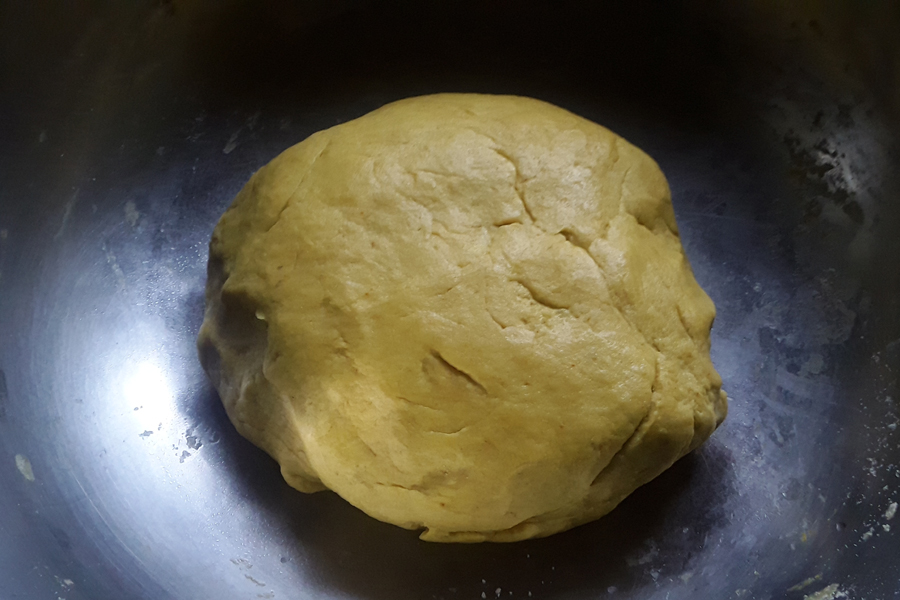
Difficulty level
Moderate
Servings
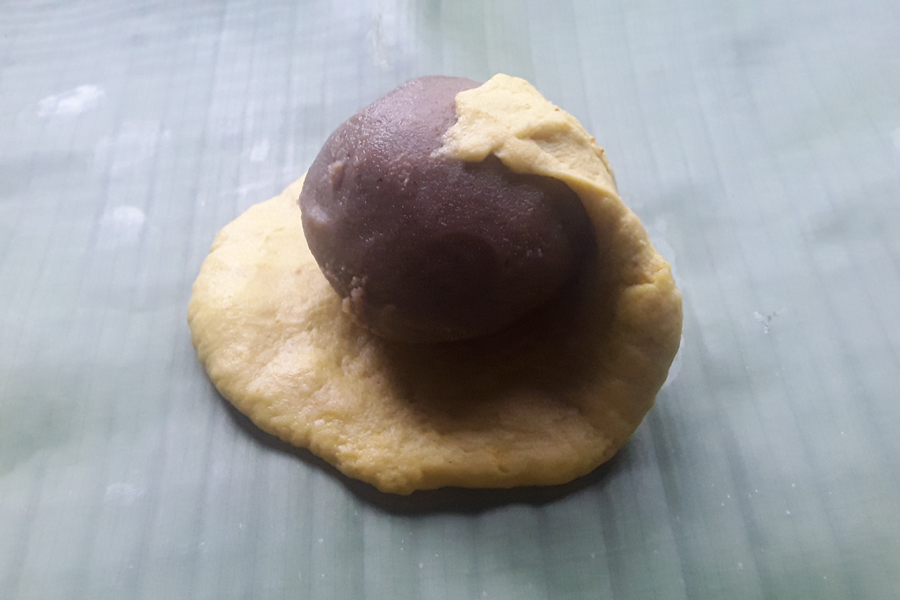
15 holige
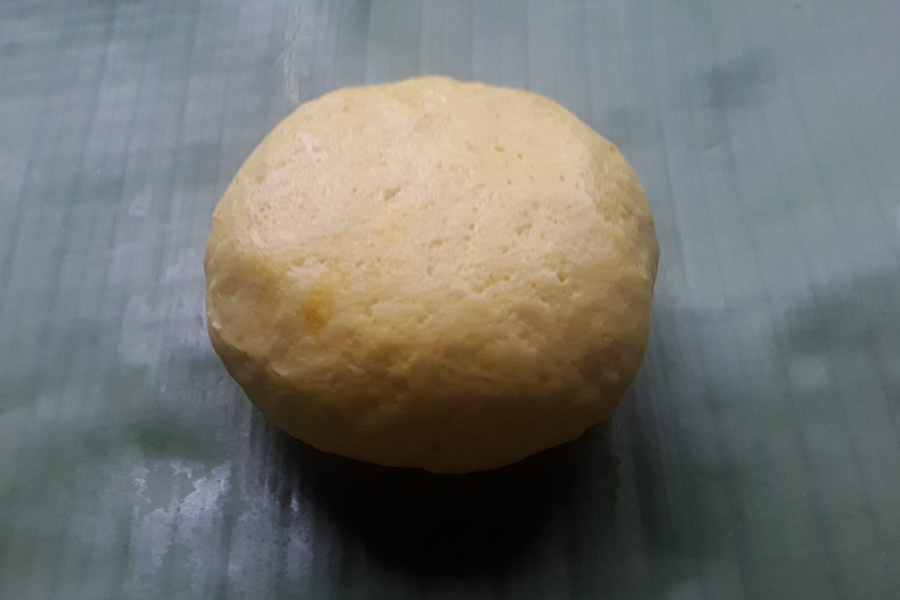
Ingredients
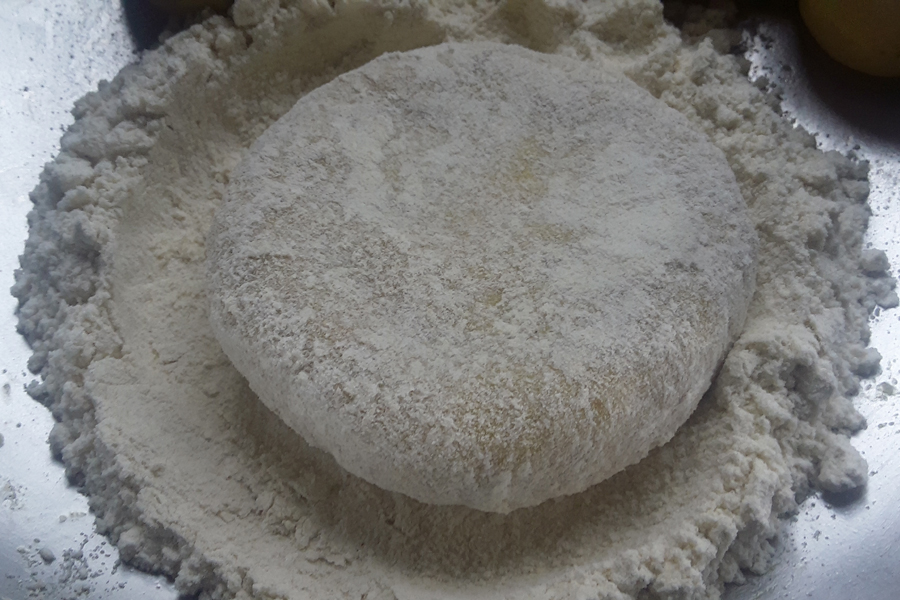
-
100 -150 jackfruit seeds
- 250 grams whole wheat flour
- 50 grams whole wheat flour or sorghum flour – to dust when rolling
- 4 tablespoons jaggery or as required
- 1 tablespoons oil or as required
- 6 to 8 cardamoms
- 2 teaspoons turmeric powder or as required
- Salt as required
- Water as required
Cookware / Utensils
-
Bowl(s)
- Thick pan or vessel
- Mortar and pestle
- Mixer or grinder
- Tawa or flat frying pan
- Turner or spatula
- Rolling board and roller / rolling pin
- 2 pieces of banana leaf (optional)
- Wooden board/base or muslin cloth
Instructions
Instructions
Basic preparation
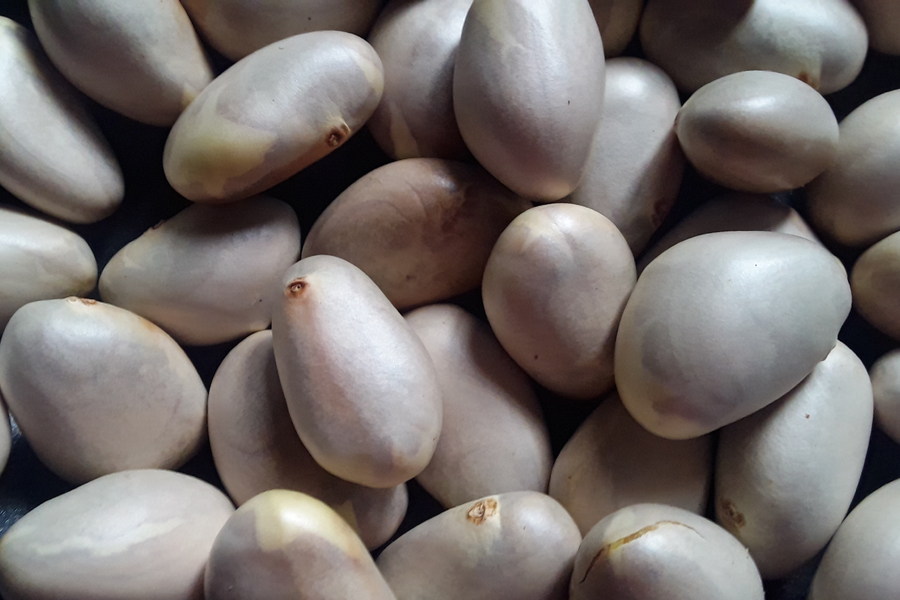
- Take jackfruit seeds. Take each of them in a mortar and smash with a pestle.
- Remove the cover. Wash the seeds thoroughly.
-
Add water as needed, and cook them to a very smooth texture. Let it cool.
Cook the seeds really well. Uncooked seeds are difficult to grind. - Remove, and rinse cardamom seeds. Cover and keep aside.
- Take 2 pieces of banana leaf and wash them thoroughly with water or clean them with wet clean cloth and keep aside.
Prepare hoorna (sweet filling or stuffing) - Method 1
- Strain the cooked jackfruit seeds if any water left, and take them in a thick and wide pan or vessel.
- Add 4 tablespoons jaggery or as required.
- Cook the mixture on medium heat. Stir at intervals. Make sure mixture is not sticking at the bottom.
- Once the mixture thickens, turn off the heat. Let the mixture cool down.
- Now, add the mixture to a mixer jar or grinder. Add the cardamom seeds.
- Grind the mixture to a smooth consistency. There should not be any seed left in the ground mixture.
-
Take the Hoorna (stuffing mixture) in a bowl. Cover and keep aside.
Method 2 - Add cooked and cooled jackfruit seeds to mixer or grinder. Add jaggery, and cardamom seeds.
- Grind them to a smooth texture. Take the ground mix in a thick and wide pan or vessel.
- Cook the mix on medium heat. Stir continuously. Make sure it is not sticking at the bottom.
- Once the mixture thickens, turn off the heat. Let the mixture cool down.
Prepare outer covering dough
- Take 250 grams whole wheat flour in a bowl. Add 2 teaspoons of turmeric powder. Add ½ teaspoon salt or as required. Mix well.
- Add water as required. The dough should be slightly thinner than the Roti dough. Mix well and knead the dough lightly.
- Then, add 1 tablespoon of oil and continue to knead the dough. Let the dough absorb the oil.
- The dough should get a smooth, soft and elastic texture. Let it rest for 20 to 30 minutes.
Stuff and roll
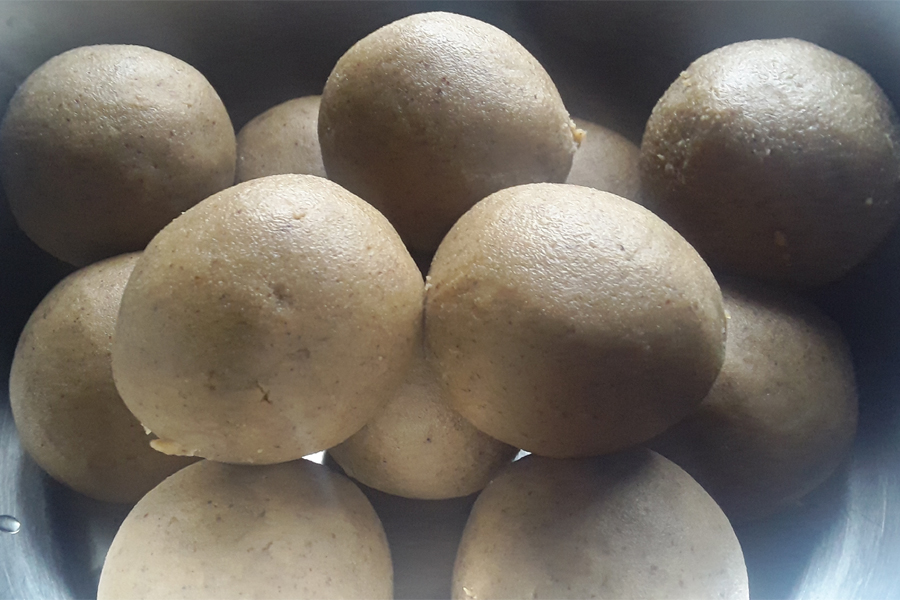
- Now, take a portion of the hoorna, the stuffing mixture, and make medium sized balls. The stuffing mix or balls should not become dry. So keep them covered.
- Take a small portion, half the quantity or little more than half of the stuffing ball, from the dough and roll it to a ball.
- Gently flatten with your fingers. Place the stuffing ball in the center of the flattened dough.
- Cover the stuffing with the dough by bringing the edges towards the center of the stuffing.
-
Join all the edges at the center. Flatten the stuffed dough ball slightly with your palms.
Keep 2 to 3 stuffed dough balls ready. - Dust the stuffed dough ball with dry whole wheat or sorghum flour.
- Now, take a rolling board and place a banana leaf piece which was cleaned and kept aside earlier.
- Place the stuffed dough ball on rolling board. Make sure that sealed side is downwards while rolling the stuffed dough ball.
- Gently roll it to a large circle. You need to roll it pretty thin, so that you can almost see the hoorna, the stuffing. But the stuffing should not come out. The hoorna or the stuffing should be spread evenly across the circle or holige.
Roast holige
- Heat a tawa on medium or high flame. Once heated reduce the heat to low. Regulate the heat as required while roasting Holige. Place the rolled holige on the tawa.
- Let the holige get cook on one side. Holige will get roasted quickly and you need to be very attentive.
- Roast till one side is golden and then gently flip the holige. Roast the second side of the holige till golden.
-
Remove and place it on a wooden platform or muslin cloth. This way make all the holige.
Do not place the hot holige one on another. Stacking makes the hot holige moist or wet due to steam they cause. Let them cool. Then you can fold and store. - Serve the holige hot or warm or at room temperature with fresh ghee. If you are a vegan you can eat holige as-is.
Step by step guide
How to make Jackfruit seeds Holige
Basic preparation
1. Take jackfruit seeds. Take each of them in a mortar and smash with a pestle.
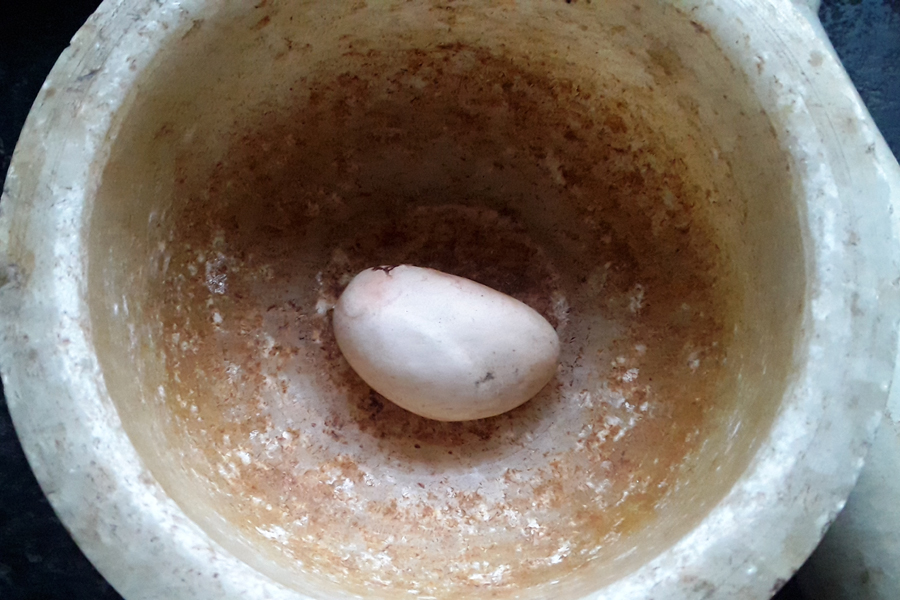
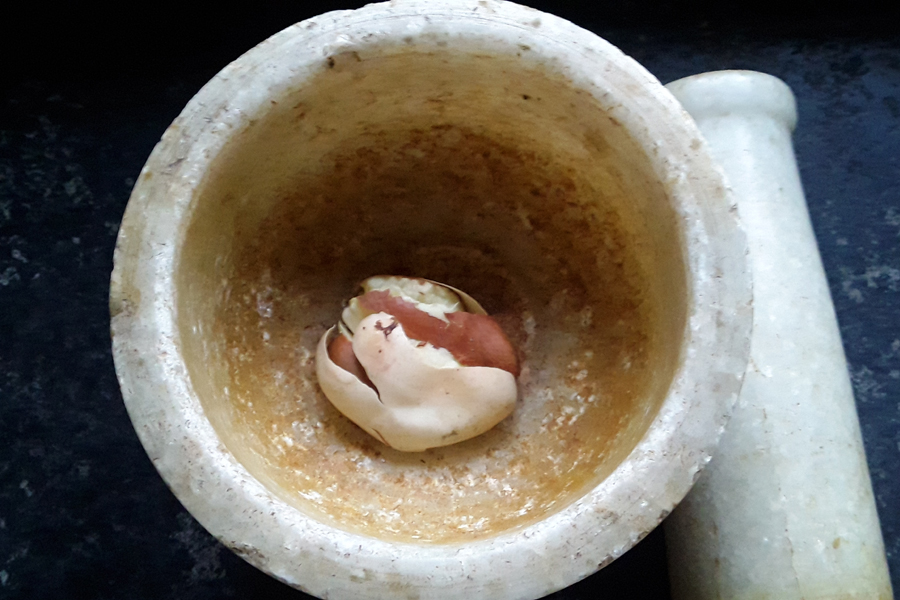
2. Remove the cover. Wash the seeds thoroughly.
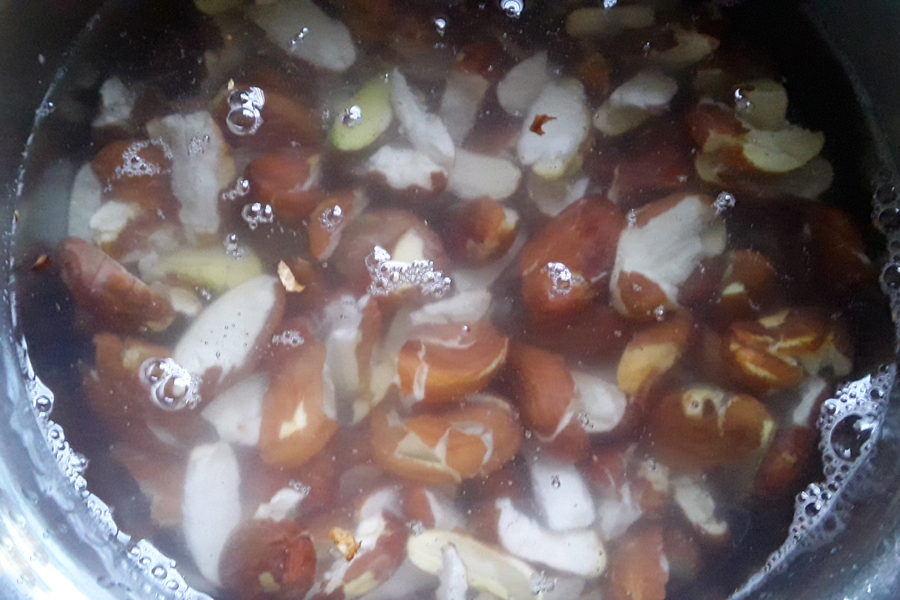
3. Add water as needed, and cook them to a very smooth texture. Let it cool.
Cook the seeds really well. Uncooked seeds are difficult to grind.
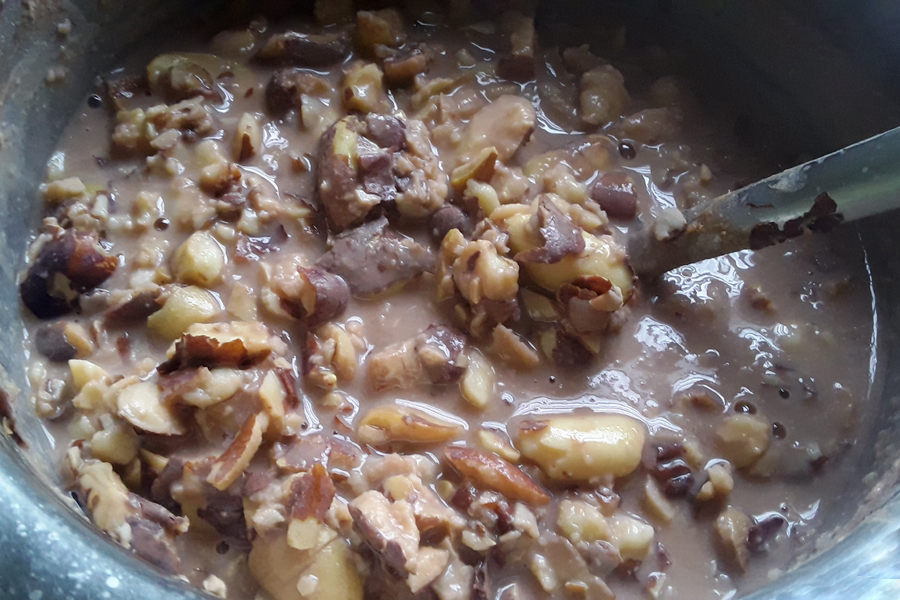
4. Remove, and rinse cardamom seeds. Cover and keep aside.
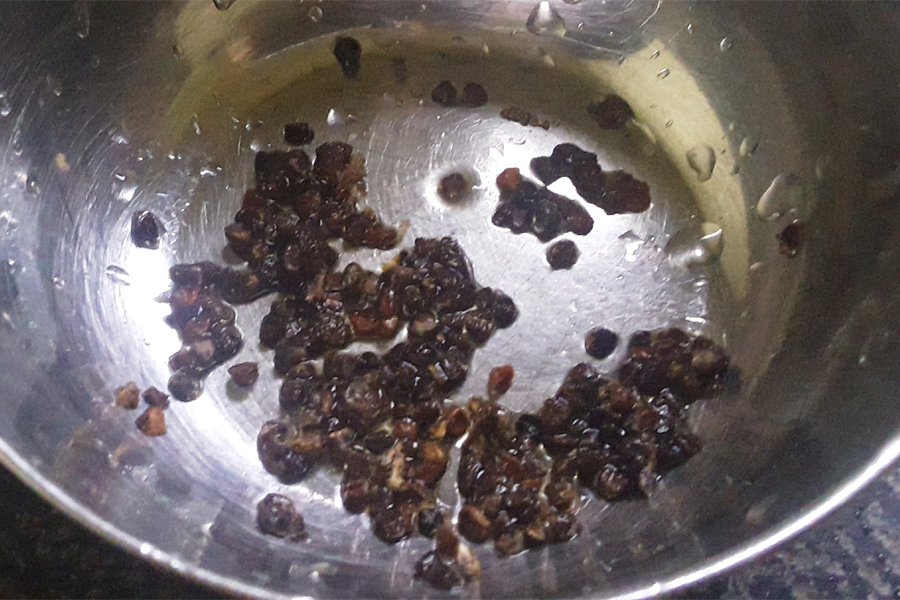
5. Take 2 pieces of banana leaf and wash them thoroughly with water or clean them with wet clean cloth and keep aside.
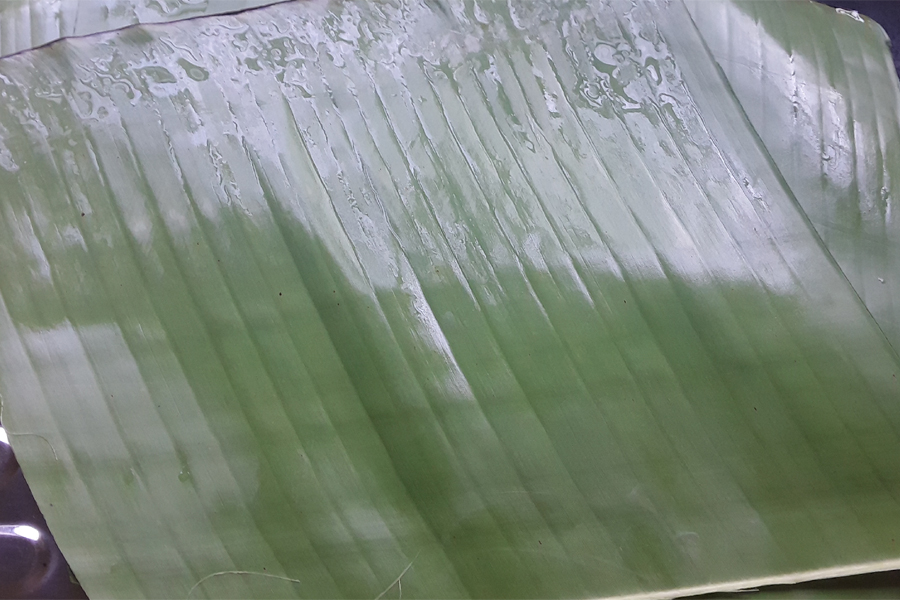
Prepare hoorna (sweet filling or stuffing) - Method 1
6. Strain the cooked jackfruit seeds if any water left, and take them in a thick and wide pan or vessel. Add 4 tablespoons jaggery or as required.
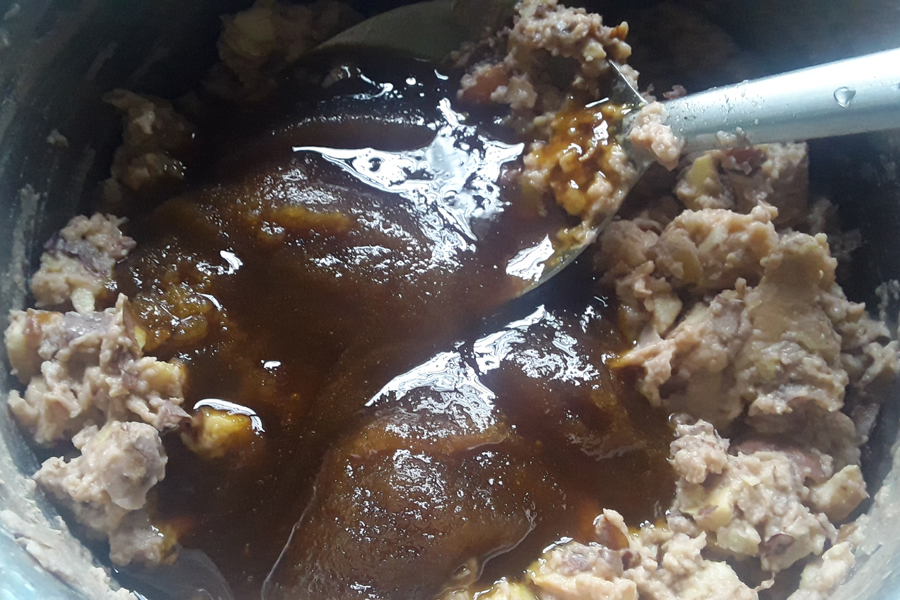
7. Cook the mixture on medium heat. Stir at intervals. Make sure mixture is not sticking at the bottom. Once the mixture thickens, turn off the heat. Let the mixture cool down.

8. Now, add the mixture to a mixer jar or grinder. Add the cardamom seeds.
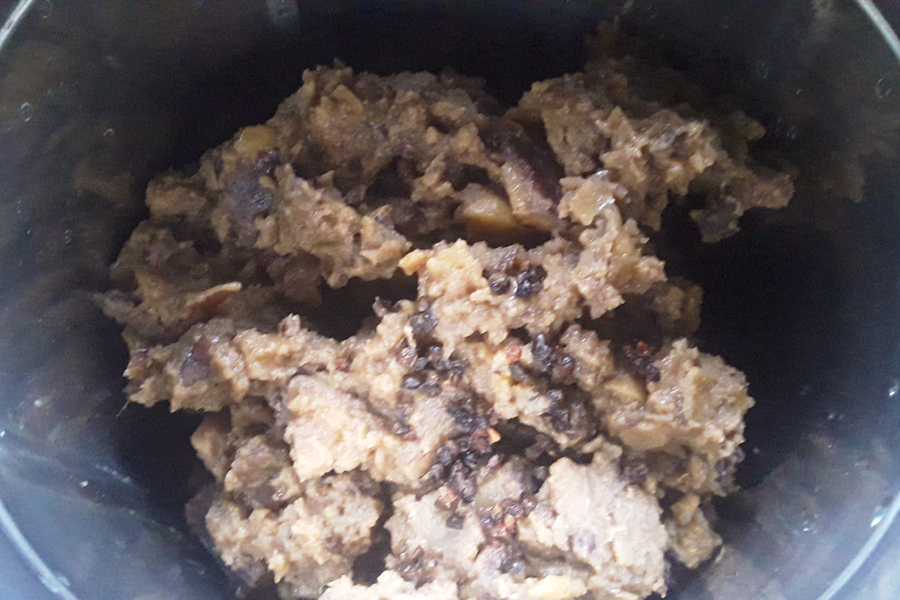
9. Grind the mixture to a smooth consistency. There should not be any seed left in the ground mixture. Take the Hoorna (stuffing mixture) in a bowl. Cover and keep aside.
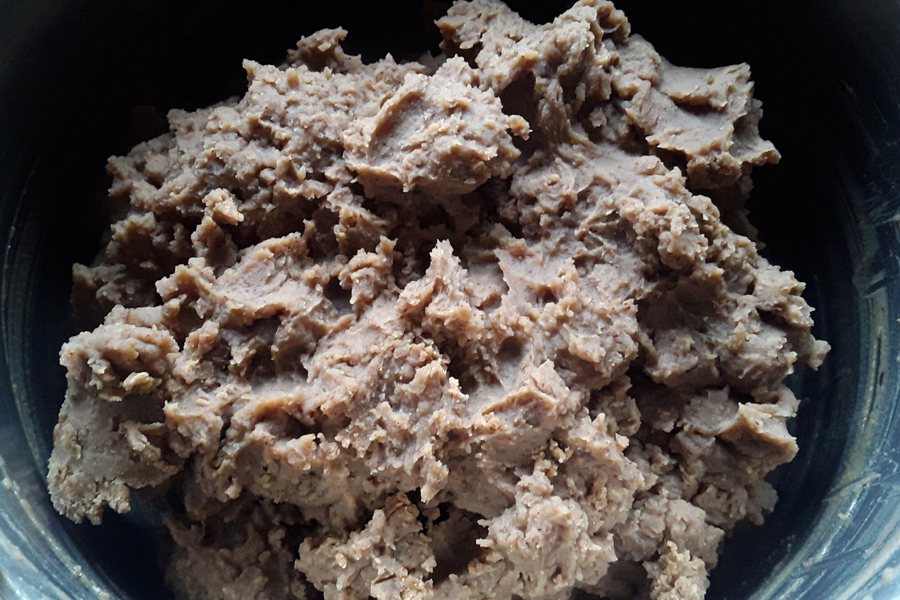
Prepare hoorna (sweet filling or stuffing) - Method 2
10. Add cooked and cooled jackfruit seeds to mixer or grinder. Add jaggery, and cardamom seeds.

11. Grind them to a smooth texture. Take the ground mix in a thick and wide pan or vessel.
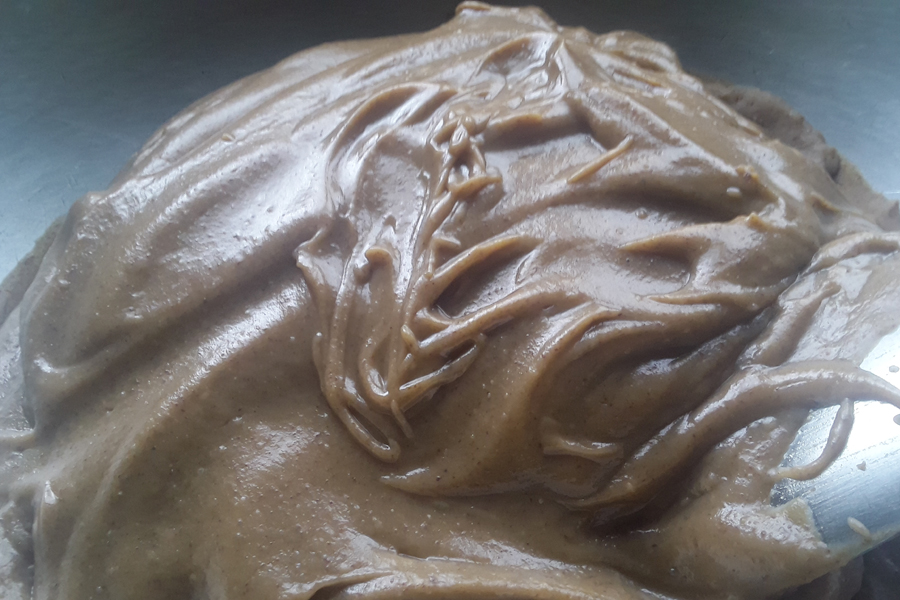
12. Cook the mix on medium heat. Stir continuously. Make sure it is not sticking at the bottom.
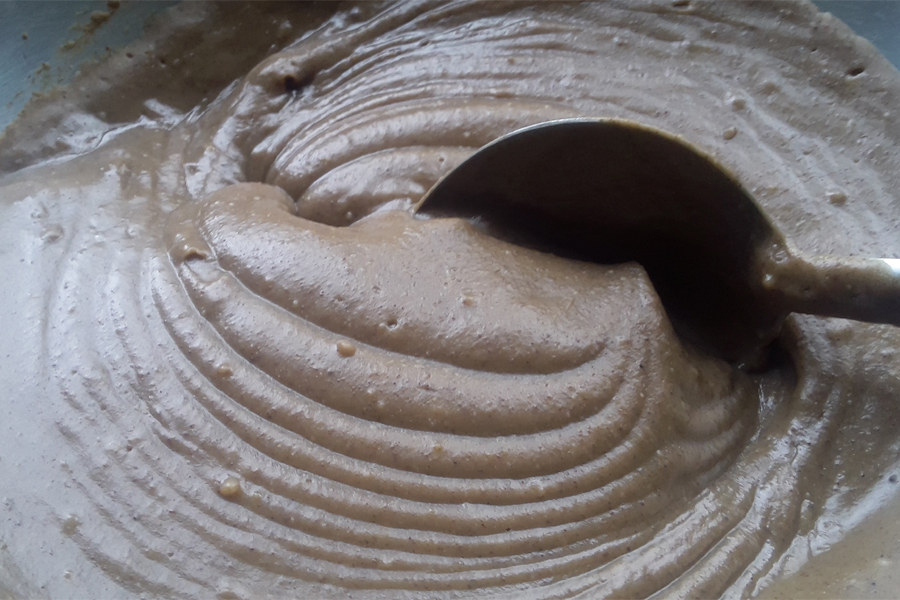
13. Once the mixture thickens, turn off the heat. Let the mixture cool down.
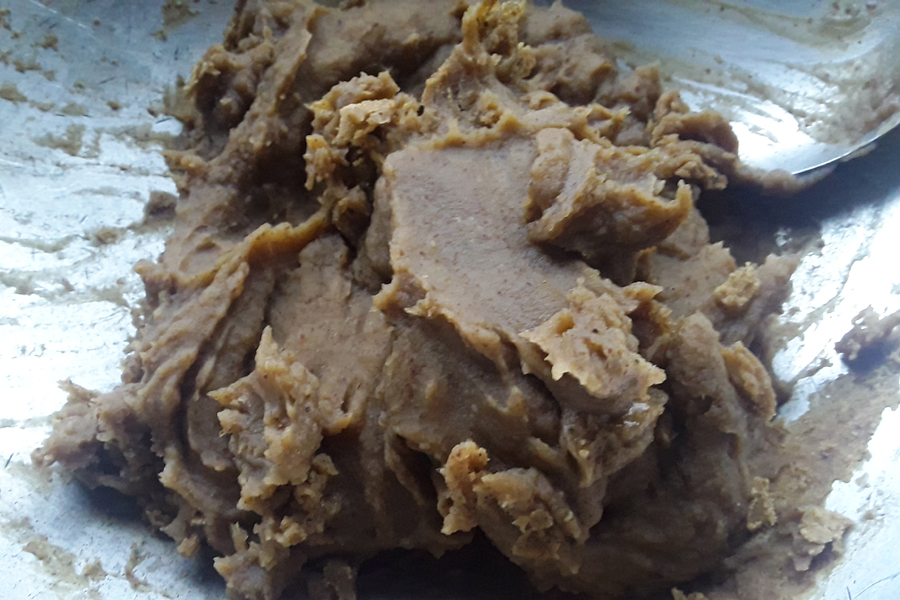
Prepare outer covering dough
14. Take 250 grams whole wheat flour in a bowl. Add 2 teaspoons of turmeric powder. Add ½ teaspoon salt or as required. Mix well.
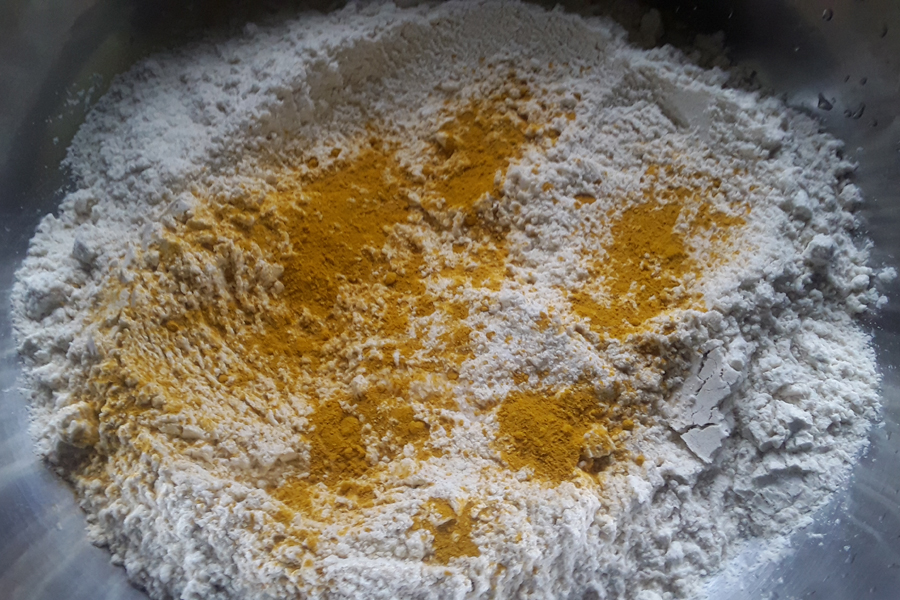
15. Add water as required. The dough should be slightly thinner than the Roti dough. Mix well and knead the dough lightly.
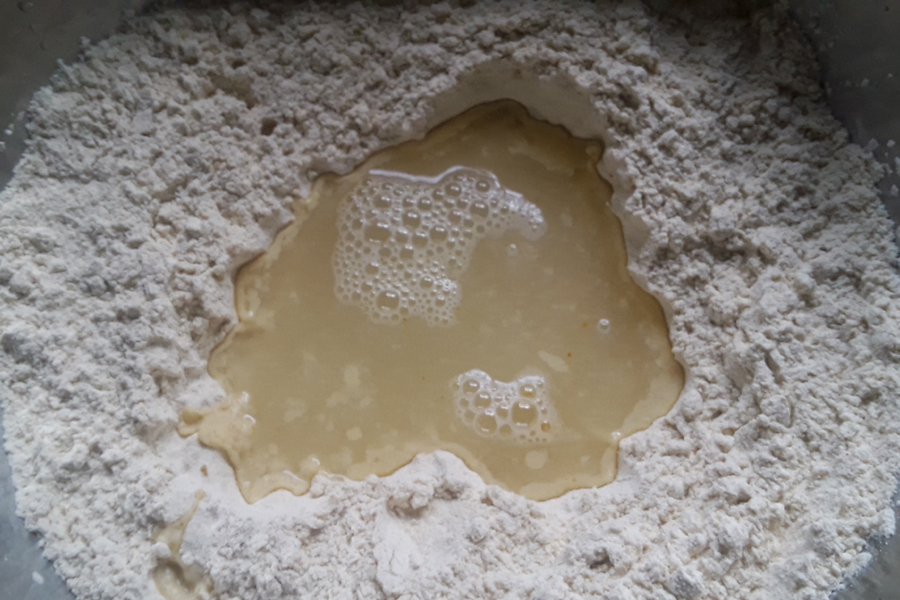
16. Then, add 1 tablespoon of oil and continue to knead the dough. Let the dough absorb the oil.
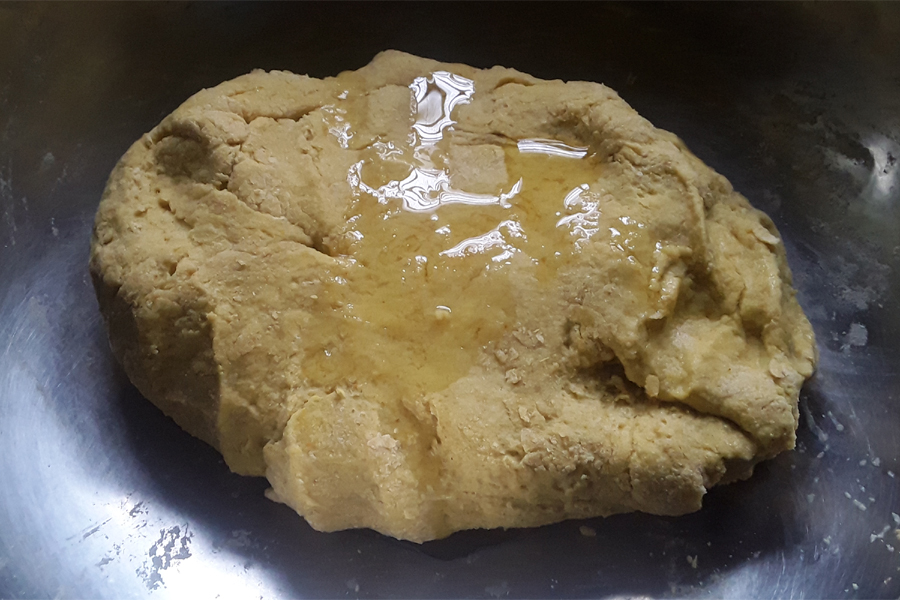
17. The dough should get a smooth, soft and elastic texture. Let it rest for 20 to 30 minutes.
Stuff and roll
18. Now, take a portion of the hoorna, the stuffing mixture, and make medium sized balls. The stuffing mix or balls should not become dry. So keep them covered.
19. Take a small portion, half the quantity or little more than half of the stuffing ball, from the dough and roll it to a ball. Gently flatten with your fingers. Place the stuffing ball in the center of the flattened dough.
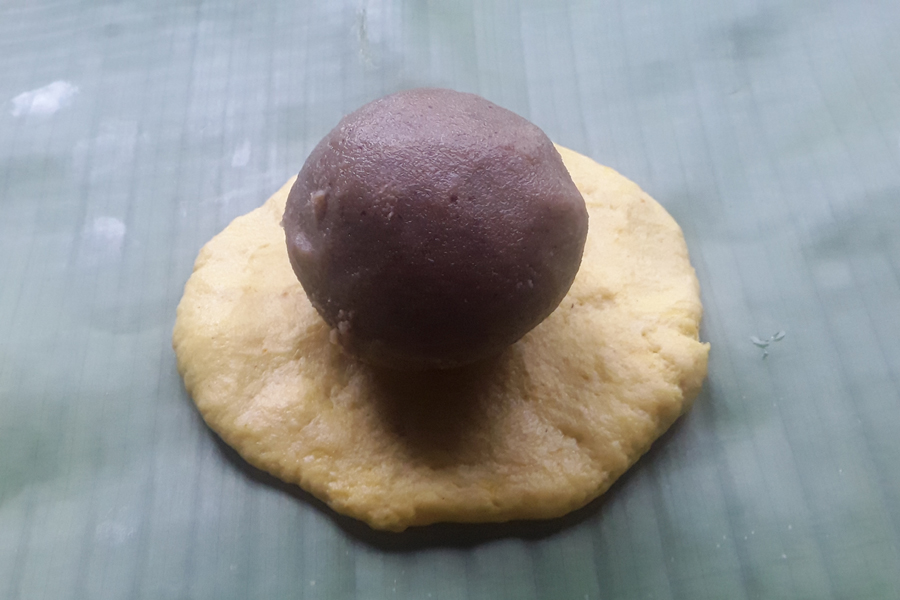
20. Cover the stuffing with the dough by bringing the edges towards the center of the stuffing.
21. Join all the edges at the center. Flatten the stuffed dough ball slightly with your palms.
Keep 2 to 3 stuffed dough balls ready.
22. Dust the stuffed dough ball with dry whole wheat or sorghum flour.
23. Now, take a rolling board and place a banana leaf piece which was cleaned and kept aside earlier.
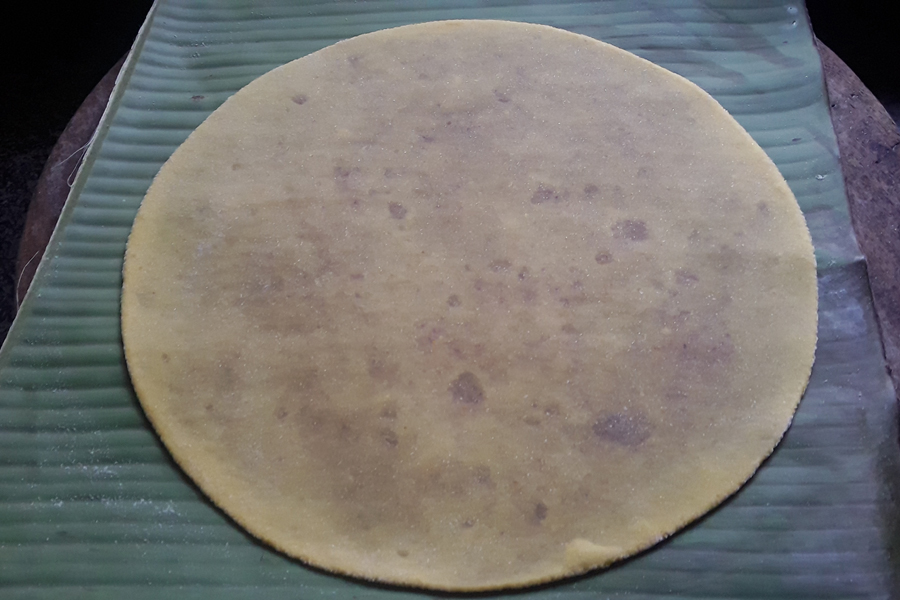
Place the stuffed dough ball on rolling board. Make sure that sealed side is downwards while rolling the stuffed dough ball.
Gently roll it to a large circle. You need to roll it pretty thin, so that you can almost see the hoorna, the stuffing. But the stuffing should not come out. The hoorna or the stuffing should be spread evenly across the circle or holige.
Roast holige
24. Heat a tawa on medium or high flame. Once heated reduce the heat to low. Regulate the heat as required while roasting Holige. Place the rolled holige on the tawa.
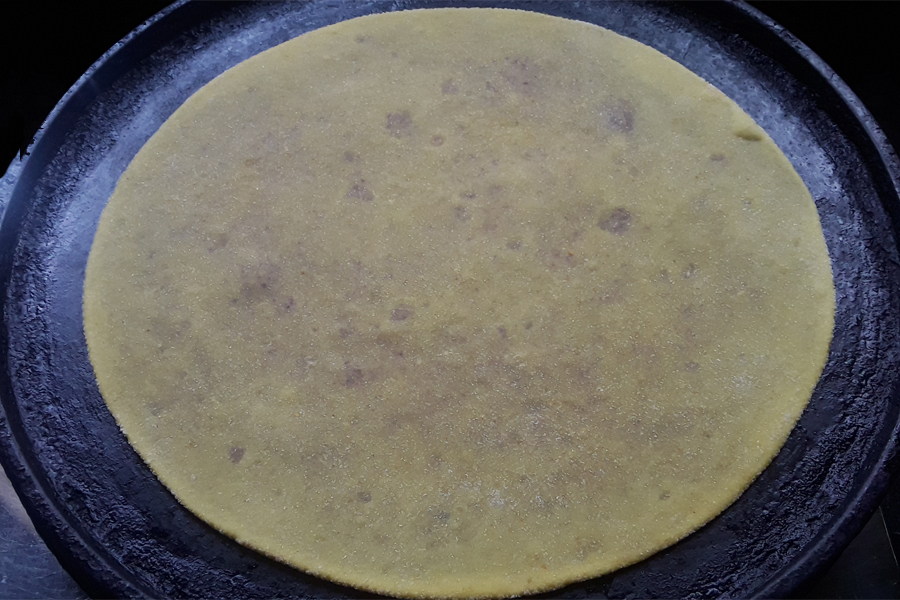
25. Let the holige get cook on one side. Holige will get roasted quickly and you need to be very attentive.
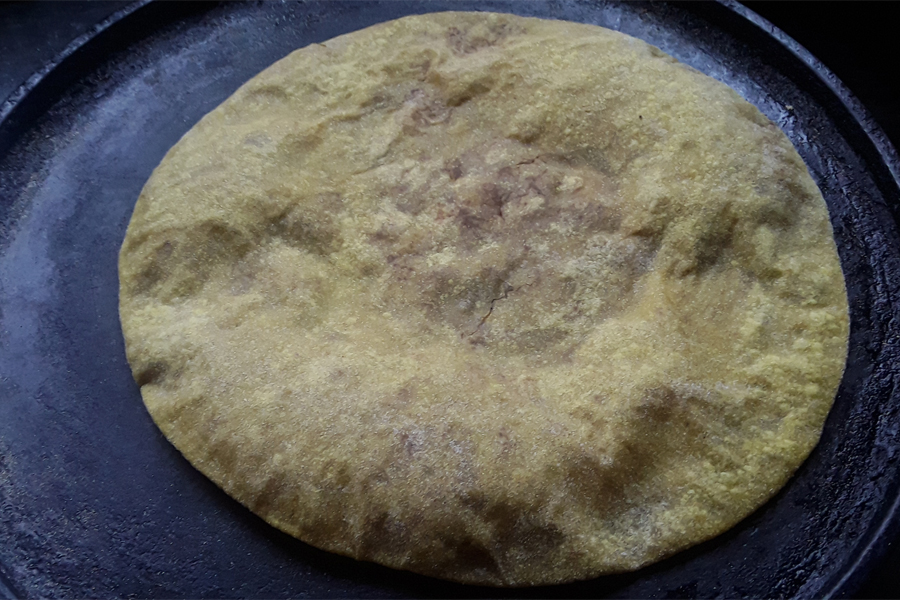
26. Roast till one side is golden and then gently flip the holige. Roast the second side of the holige till golden.
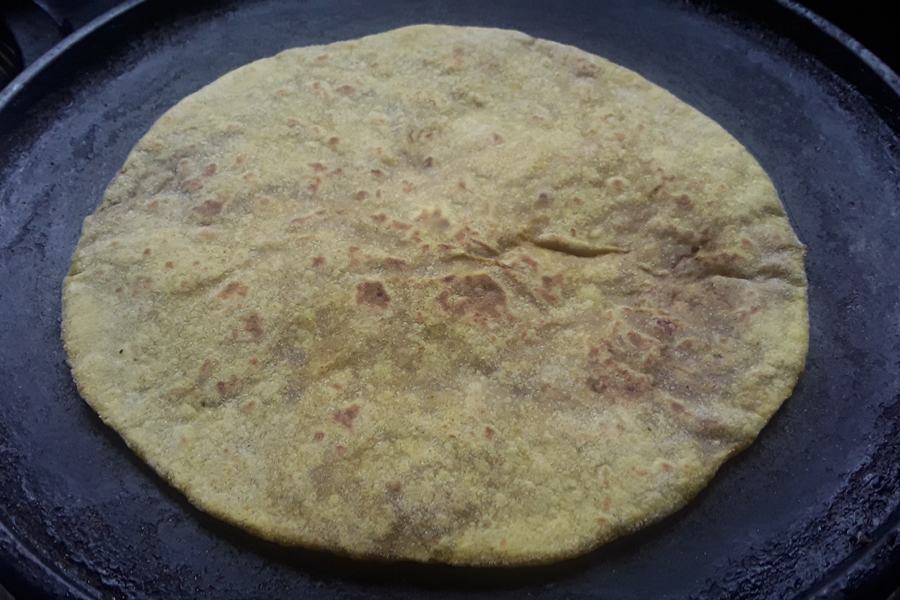
27. Remove and place it on a wooden platform or muslin cloth. This way make all the holige.
Do not place the hot holige one on another. Stacking makes the hot holige moist or wet due to steam they cause. Let them cool. Then you can fold and store.
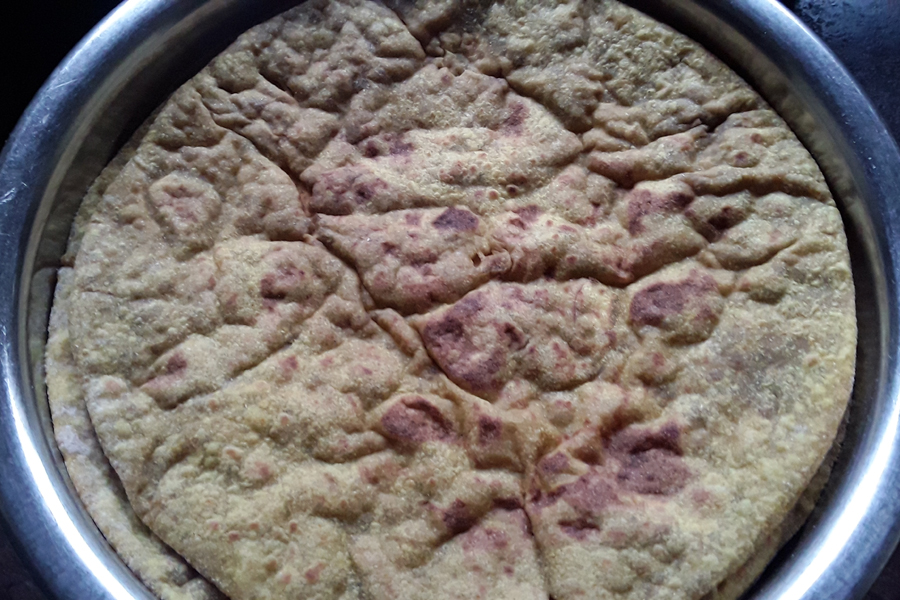
28. Serve the holige hot or warm or at room temperature with fresh ghee. If you are a vegan you can eat holige as-is.
Notes
-
It is very important to make both Hoorna the stuffing and outer covering dough of the same consistency.
-
Hoorna, the stuffing
Hoorna should be of right consistency. Preparing a proper hoorna or sweet filling is one of the vital parts to get a soft, smooth and fine holige.
Make sure to cook the jackfruit seeds very well and grind to a fine consistency. Hoorna (stuffing mix) should have really a fine and smooth texture. After adding jaggery, do not heat the mixture too much. Heating too much will give dry and elastic texture to the hoorna. Hoorna should contain a little moist in it until you roast holige.
When making Hoorna by method 1, drain off the extra water from the cooked seeds, if any, before adding jaggery or add little less water when cooking the seeds.
-
Outer covering dough
Whole wheat flour covering dough should be of elastic texture. This has to bind and hold the hoorna or stuffing properly.
Do not make the dough too thin or too dry. Dough has to settle for some time, but do not keep the dough for longer time to settle. It will become runny and thin out as time passes.
While making holige, if the dough becomes too thin add some whole wheat flour and mix well. This happens when making holige in larger quantity.
-
Stuffing and rolling
The proportion is 1:1/2 ratio of hoorna (sweet filling or stuffing) to outer covering dough. If you are unable to make holige with this proportion, take little more of the dough. Stuffing should be covered evenly all over with the dough.
-
Cooking or roasting holige
While roasting holige, do not flip sides too many times as the holige will become dry and hard.
Do not over brown the holige, as then holige will get dark spots or burnt patches which are not edible.
-
Storage and shelf life
Store Holige in a steel container or box and cover it properly. This Holige stays good at room temperature for about 4 - 5 days. However, actual shelf life depends on ingredients quality, making process, storage and usage type, room temperature and weather condition.
Halasina beejada Holige | Jackfruit seeds Holige
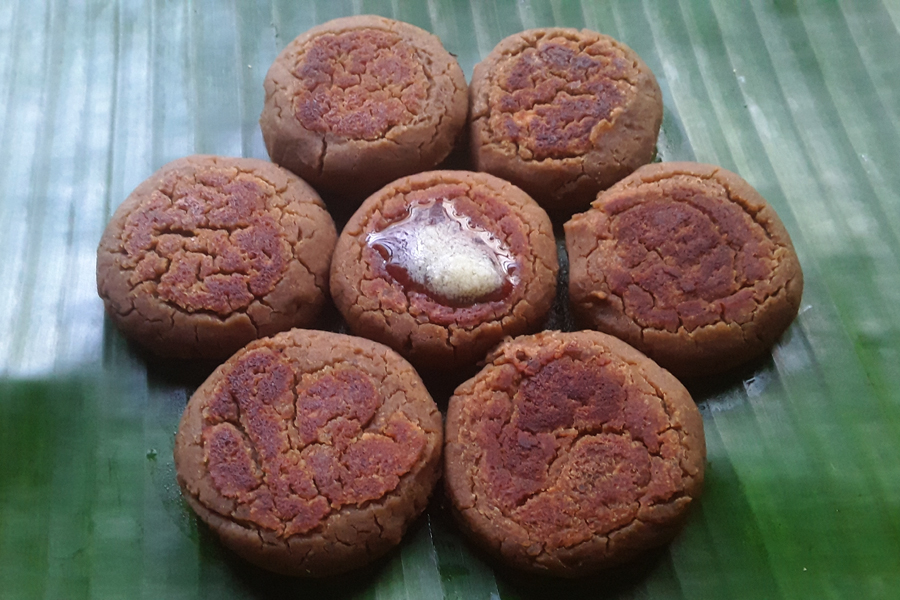
Obbattu | Jackfruit seeds sweet patty
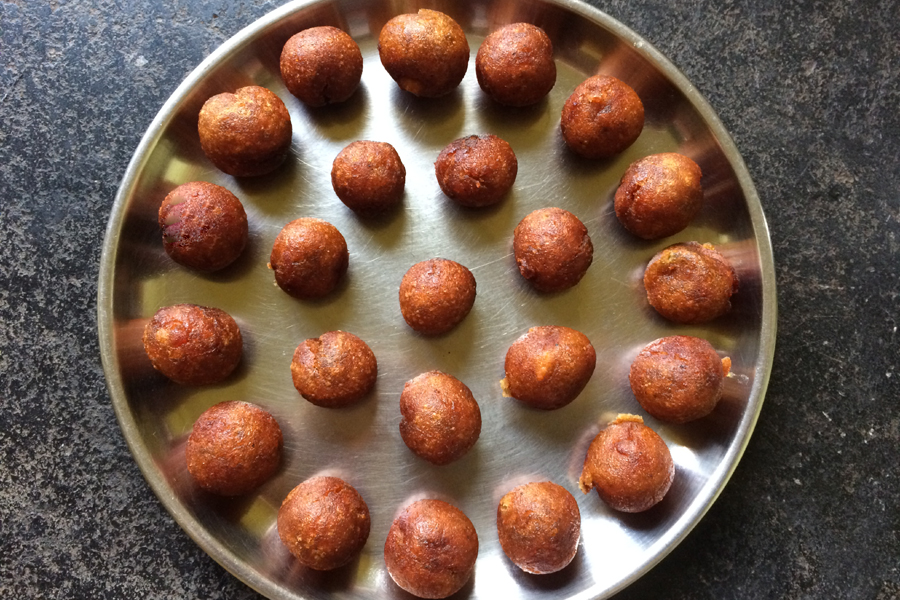
Undlekalu | Jackfruit sweet dumpling
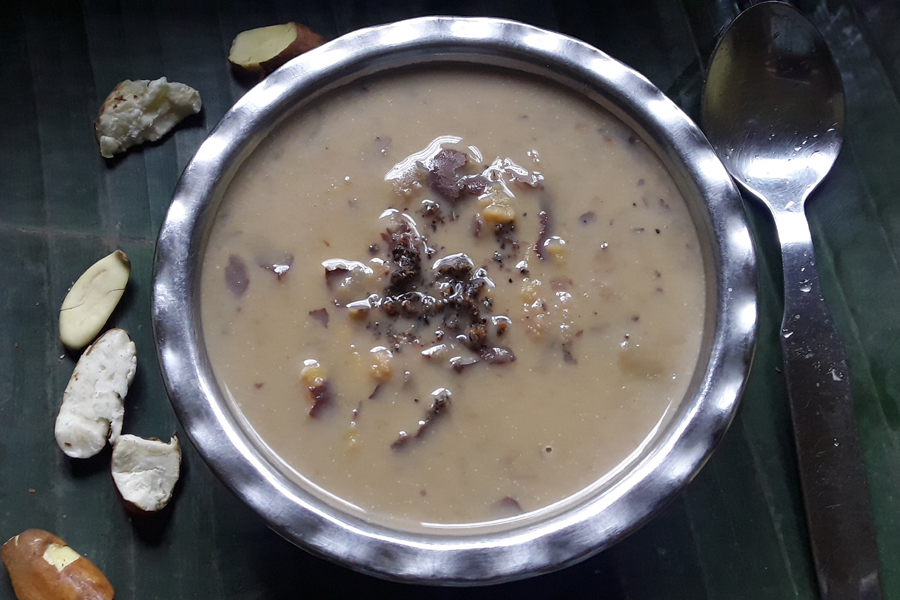
Halasina beejada paayasa | Jackfruit seeds kheer
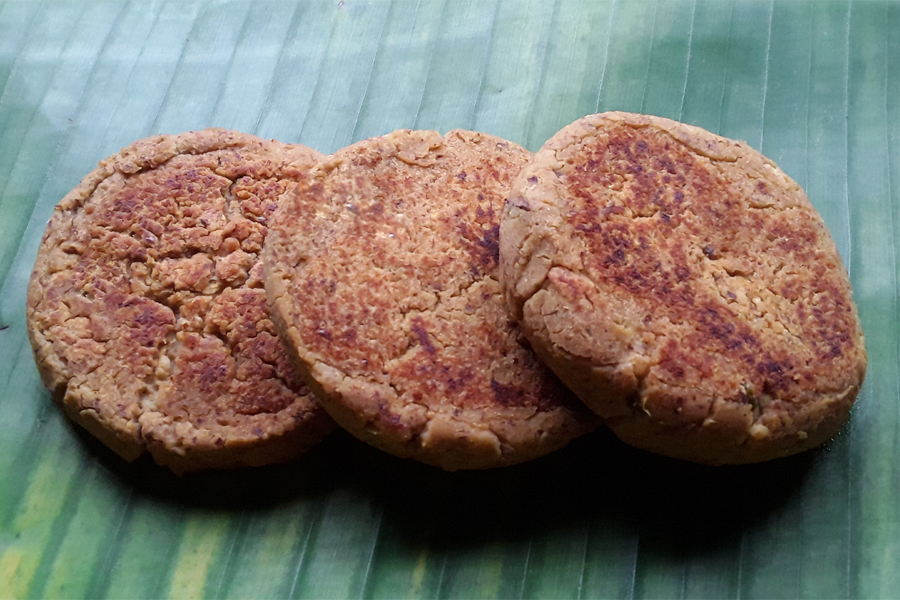
Khara obbattu | Jackfruit seeds patty
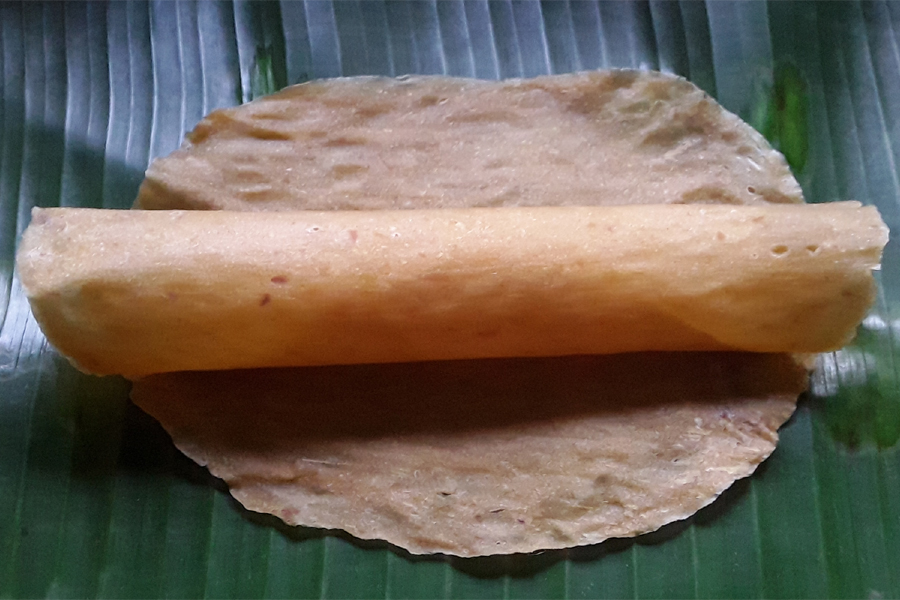
Halasina hannina happala | Jackfruit papad

Sole kochhalu | Raw jackfruit sweet

Jackfruit Tellevu
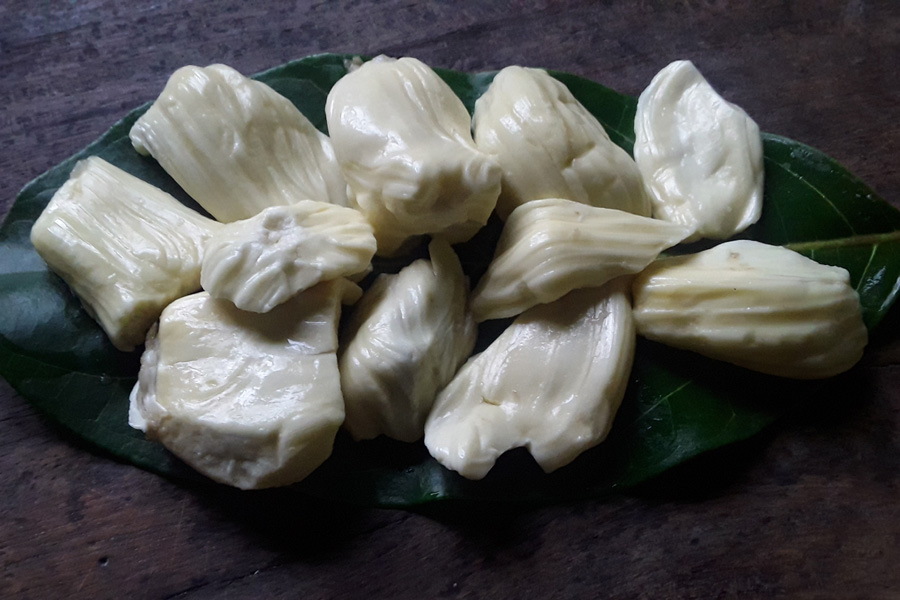
Sole | Raw jackfruit preserve

Jackfruit Huli | Lentil-jackfruit stew
